
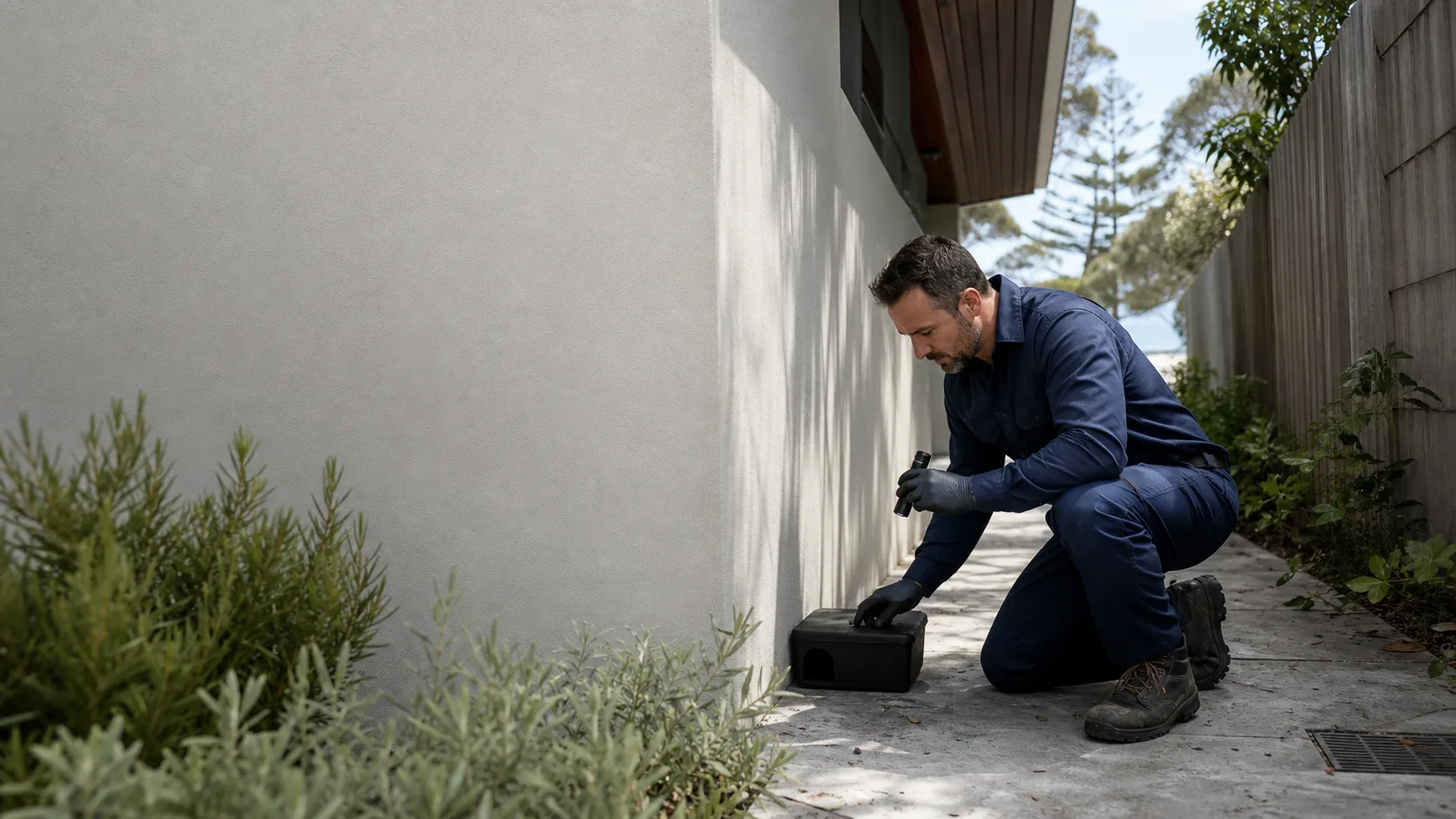
Rodent Control
Northern Beaches
Hearing scratching overhead, finding droppings, or worried about wildlife-safe rat removal?
When rats and mice move into a Northern Beaches home or business, they rarely arrive alone and they rarely stay quiet for long. From the bushland fringes of Frenchs Forest and Belrose to the unit blocks of Dee Why and the cafés along the Manly foreshore, rodents have found this peninsula to be one of the most comfortable places to live in Sydney. If you have heard scratching in the ceiling, found droppings in the pantry, or noticed gnaw marks on cabling, you need a local team that understands how rats and mice behave in this specific environment. Our **rodent control Northern Beaches** service combines thorough inspection, targeted treatment and long-term proofing to remove the problem and keep it from returning. For broader information about rodent behaviors, exclusion strategies, and safety guidelines across Sydney, you can visit our main rodent control page.
We service homeowners, renters, strata and property managers, restaurants, retailers and commercial facilities across the entire Northern Beaches region. Our treatment plans are carefully matched to the bushland, coastal and high-density conditions that make this area unique, so treatments stay effective while local wildlife is protected.
2026 APVMA SGAR Rat Bait Restrictions
Effective March 24, 2026, the APVMA has suspended second-generation anticoagulant rodenticides (SGARs) in consumer retail due to secondary poisoning risks to local predators like Powerful Owls. Professional rodent control is now essential to ensure lawful, permitted chemical applications that protect local wildlife.
How much does rodent control cost on the Northern Beaches?
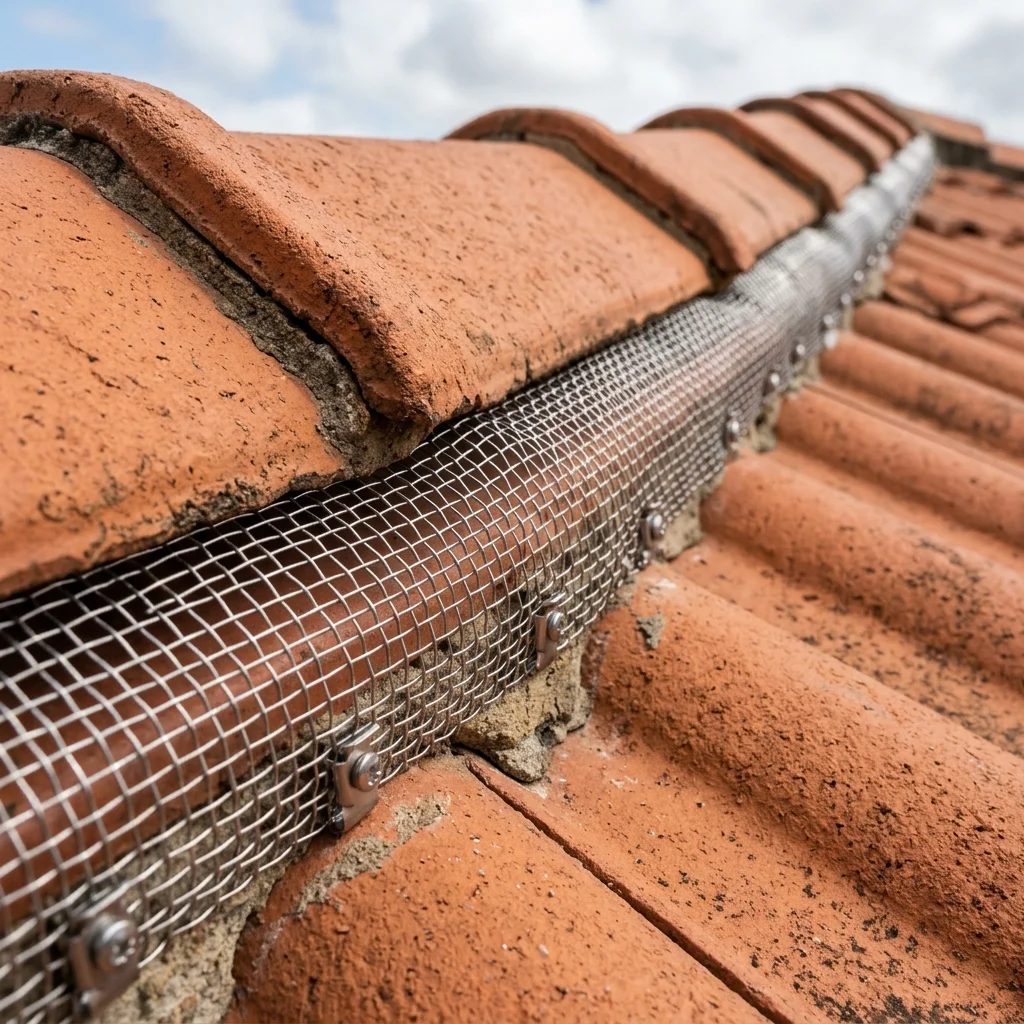
Rodent control on the Northern Beaches starts from $149, covering inspection, tamper-resistant bait stations and follow-up. Placement is wildlife-safe to protect bandicoots and native birds, and proofing with steel mesh stops roof rats returning from bushland corridors.
SafeWork NSW Licensed
Wildlife-Safe / Pet-Safe Methods
Public Liability
Strata & HACCP Compliant
Why Rodents Are a Major Problem in the Northern Beaches
The Northern Beaches sits on a peninsula of roughly 250 square kilometres bounded by the Pacific Ocean, Pittwater, Narrabeen Lagoon, Middle Harbour and the Hawkesbury, and threaded with more than 300 bushland and wetland reserves alongside Garigal National Park and Ku-ring-gai Chase National Park. That mix of dense coastal heath, dry sclerophyll forest, waterways and established suburbs creates an almost perfect rodent habitat.
Several local factors drive persistent rat and mouse activity here:
- Bushland at the back fence: Thousands of properties in suburbs like Forestville, Davidson, Terrey Hills, Oxford Falls and Avalon back directly onto reserves and wildlife corridors. Roof rats in particular travel along tree limbs, fence lines and overhead wires straight from the bush into roof voids.
- A mild coastal climate: The Northern Beaches enjoys warm, humid summers and gentle winters. Because cold weather rarely interrupts breeding, rodent populations can reproduce close to year-round rather than dying back over winter.
- Abundant food and shelter: Compost bins, fruit trees, chicken coops, pet food, bird feeders, boat sheds and waterfront storage all provide easy meals and nesting sites, especially around Pittwater and the lagoon foreshores.
- Ageing and mixed housing stock: Older freestanding homes with timber subfloors and accessible roof cavities sit alongside modern strata towers in Dee Why, Brookvale and Manly. Each presents different entry points, and shared walls in units allow rodents to move between dwellings.
- A busy food and hospitality scene: Brookvale's commercial and light-industrial pocket, the Manly and Mona Vale dining strips, and beachside kiosks all generate organic waste that supports rodent colonies.
Understanding these drivers is what separates a lasting result from a temporary one. A bait box in the garage does nothing if rats are commuting nightly from a reserve next door.
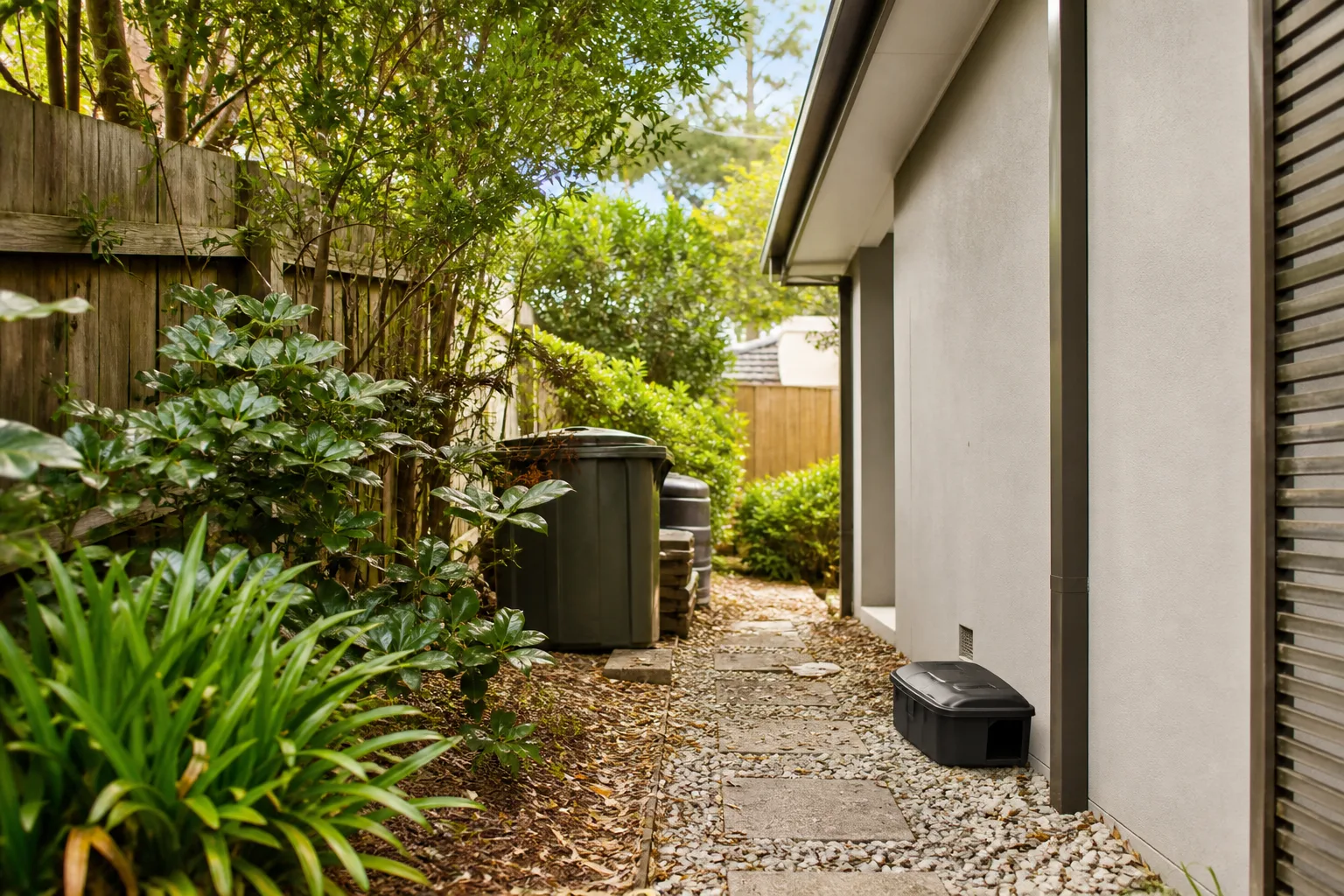
Common Rat and Mouse Species Found in the Northern Beaches
Correctly identifying the species is the first step in any responsible treatment, and it matters more here than in most parts of Sydney because the area is also home to protected native rodents.
Pest Species We Treat
- Roof Rat (Rattus rattus): Also called the black ship rat, this is the most common pest rodent on the Northern Beaches. It is an agile climber that favours roof voids, wall cavities, palm trees and dense garden foliage. If you hear movement above the ceiling at night, a roof rat is the usual culprit.
- Norway Rat (Rattus norvegicus): Larger and ground-dwelling, the Norway rat burrows around drains, subfloors, garbage areas, compost and waterways. It is common near commercial bin stores, lagoon edges and older stormwater infrastructure.
- House Mouse (Mus musculus): Small, fast-breeding and able to enter through gaps the width of a pencil, house mice readily colonise kitchens, pantries, wall cavities and storage areas in both homes and units.
Native Species We Protect, Not Poison
- Bush Rat (Rattus fuscipes): A native species that lives in bushland, heath and coastal scrub around reserves and national parks. Bush rats generally do not invade homes and do not carry the same disease risks as introduced rodents.
- Rakali, or Water Rat (Hydromys chrysogaster): A native, semi-aquatic rodent found along Northern Beaches waterways, lagoons and the Pittwater foreshore.
Native Species Protection
Both native species are fully protected under NSW legislation. Our technicians are trained to distinguish them from pest species so that treatment targets only the introduced rats and mice causing the problem, leaving local wildlife unharmed.
Signs of a Rodent Infestation
Catching an infestation early keeps the treatment simpler and the damage smaller. Watch for these key indicators:
Scratching Sounds
Scratching, scurrying or gnawing sounds in the ceiling, walls or subfloor, usually at dusk and overnight.
Rodent Droppings
Dark, rice-grain-shaped droppings along skirting boards, in cupboards, in the roof void or behind appliances.
Gnaw Damage
Gnaw marks on food packaging, timber structures, plastic water lines and electrical cabling.
Musky Odour
A persistent musky or ammonia-like smell in enclosed areas, indicating concentrated urine and activity.
Smear Marks
Greasy dark rub marks along walls, pipes, rafters and skirting boards where rodents travel repeatedly.
Nesting Material
Piles of shredded paper, cardboards, insulation batts, fabric, or dry garden mulch tucked into quiet corners.
Note: If you are seeing rodents during daylight, the population is usually well established and warrants a prompt professional response.
Health Risks and Property Damage Caused by Rodents
Recognised Public Health Concerns
Rats and mice are not just a nuisance; they are a public health risk. They carry and spread pathogens through their droppings, urine, fur, and bites, contaminating kitchen benches, food storage areas, and stored goods. In Australia, contact with rodent waste is linked to illnesses like leptospirosis, salmonellosis, and rat-bite fever. Their shed hair and dry faeces can also aggravate asthma and allergies, posing risks to children and pets.
Serious Property Damage Risks
Rodents have constantly growing incisors that drive them to gnaw continuously. Electrical wiring in roof voids and wall cavities is a common target. Chewed cabling is a leading cause of house fires and unexplained electrical short-circuits. Rodents also tear up ceiling insulation batts for nesting material, chew through plastic PEX water pipes (leading to structural water leaks), and ruin stored goods in garages and subfloors.
Our Professional Rodent Inspection Process
Every effective treatment starts with a proper inspection. Our 5-step **rodent inspection Northern Beaches** process is methodical and matched to local property styles:
Site Assessment
We inspect the interior, exterior, roof voids, subfloors, garages and gardens.
Entry-Point Mapping
Locating gaps in rooflines, weep holes, subfloor vents and service penetrations.
Species ID
We confirm pest species (roof rat, Norway rat, house mouse) and protect natives.
Custom Plan
We design a strategy suited to your building, severity, and family/pet safety.
Clear Reporting
You receive a plain-English summary of findings, entry points, and next steps.
Rodent Control and Treatment Options
There is no single product that solves every rodent problem. We use an integrated pest management approach that combines several methods depending on your unique property and situation.
Regulatory Compliance: In March 2026, the Australian Pesticides and Veterinary Medicines Authority (APVMA) suspended second-generation anticoagulant rodenticides (SGARs) in consumer retail due to secondary poisoning risks to local owls, kookaburras, and family pets. Because poisoned rodents are eaten by native predators in reserves like Garigal National Park, our treatments rely strictly on permitted, professional-grade alternatives. We install secure, tamper-resistant bait stations that keep bait locked away and out of reach of pets and non-target wildlife.
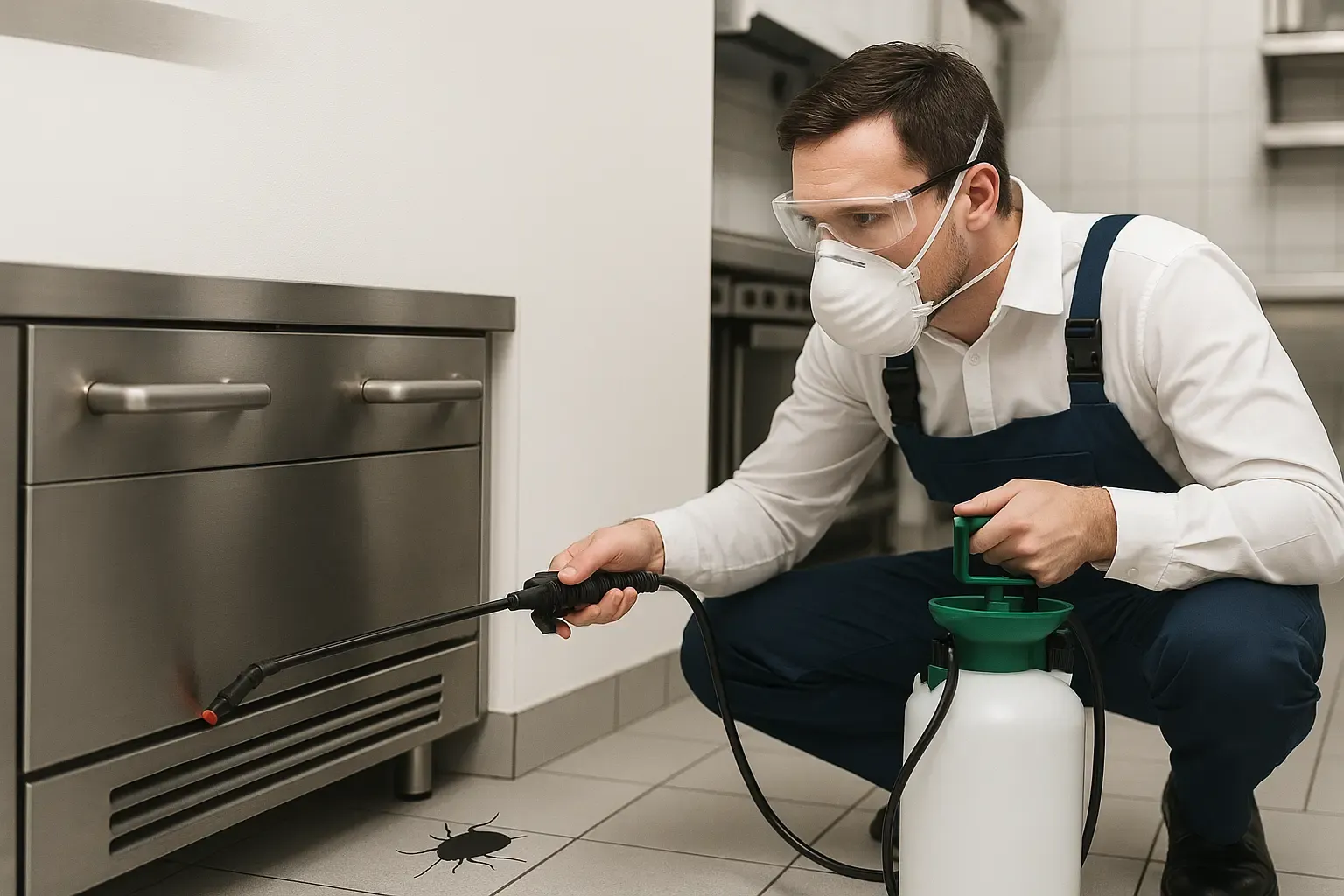
Rat Control Solutions
For rat infestations, we focus on the access points and harbourage areas that allow them to thrive. Depending on the property, this may include professionally placed, tamper-resistant and lockable bait stations using permitted products, snap-trapping in sensitive interior areas where baiting is not suitable, removal of harbourage, and sealing of entry points along roofs, eaves, subfloors, and cladding. For homes near bushland reserves, we pay particular attention to overhanging tree branches and fence-line access used by climbing roof rats.
Mouse Control Solutions
Mice breed rapidly and exploit very small gaps, so **mouse control Northern Beaches** treatments emphasis interior trapping, targeted baiting in secured stations, deep cleaning advice, and meticulous proofing of kitchen, pantry and wall-cavity entry points. In units and townhouse blocks (such as in Dee Why), we also assess shared utility risers, service ducts, and fire walls that allow mice to travel between separate apartments.
Rodent Prevention and Proofing Measures
Lasting results come from making your property unattractive and inaccessible to rodents. Our proofing recommendations are matched to Northern Beaches building structures:
- Seal entry points: Close gaps around roof tiles, eave lines, weep holes, subfloor vents, and pipe penetrations. Mice need only a 6mm gap to enter.
- Manage the bushland boundary: Trim back tree branches and dense shrubs that touch the roofline or fence lines, particularly on properties backing onto national parks.
- Control food sources: Store dry pantry items and pet food in heavy-duty sealed containers, pick up fallen garden fruit, secure compost bins, and clean outdoor barbecues.
- Tighten waste management: Use bins with firm-fitting lids, keep rubbish areas clean, and ensure commercial bin enclosures are sealed. This is critical for Brookvale and Manly food businesses.
- Reduce harbourage: Keep garages, sheds, subfloors and waterfront boat storage clear of clutter that offers nesting sites.
Residential & Strata Rodent Control
We provide full residential rodent control for homes, townhouses, and apartment complexes. In strata complexes, one untreated unit can quickly infest the entire block through shared cavities. We work closely with strata managers and body corporates to implement building-wide rodent monitoring and proofing programs that protect all residents.
Commercial & Hospitality Rodent Control
For cafés, restaurants, bars, and food manufacturing facilities in Manly, Mona Vale, and Brookvale, a single rodent sighting can destroy a business's reputation and trigger severe health department penalties. We offer discreet commercial rodent management programs scheduled outside operating hours, including full documentation, logbooks, and bait station mapping compliant with HACCP and local council health regulations.
Why Choose Us for Rodent Control on the Northern Beaches?
Pest control is not the same everywhere, and the Northern Beaches is a unique environment. Here is why locals trust us:
Local & Wildlife Aware
We know the local ecosystem and distinguish pest rats from protected native bush rats and water rats (Rakali) near Pittwater and reserves.
APVMA SGAR Compliant
We adhere strictly to current Australian regulations. Our methods protect predatory birds and family pets from secondary poisoning.
Exclusion Guarantee
We do not just scatter bait. We find the root cause, map entry gaps, and provide long-term steel mesh proofing with a 12-month warranty.
Our Northern Beaches Service Suburbs
We provide residential, strata and commercial rodent control across the entire Northern Beaches peninsula, including:
*If your suburb is not listed above, contact us. We cover the entire peninsula and surrounding districts.
Frequently Asked Questions
Common questions from local property owners about rat and mouse treatments:
How much does rodent control cost on the Northern Beaches?
Is rat bait banned in Australia in 2026?
How do I get rid of roof rats without harming local wildlife?
What is the difference between a bush rat and a roof rat?
How long does rodent treatment take to work?
Do you offer rodent control for restaurants and commercial properties?
Why do I keep getting rats even after treating them myself?
Are your treatments safe around children and pets?
Get A Free Quote
Request Northern Beaches Rodent Control
Licensed exterminators operating across the Northern Beaches. Quick bookings confirmed instantly.
Northern Beaches Service Area Map
We cover the full length of the Northern Beaches peninsula, serving local homeowners, strata complexes, and commercial properties bordering national parks and reserves.
Service Hours: Mon - Sun: 7:00 AM - 8:00 PM (Emergency Callouts Same-Day)
Response Time: Same-day service for emergency rodent control or dead animal removals.
Direct Hotline: +61 478 915 197
Other Sydney Service Pages
Cross-linked pages for other residential, commercial, and pest-specific exclusion solutions: