Wasp & Bee Removal
Northern Beaches
A buzzing swarm near the door, a European wasp nest in a retaining wall, or paper wasps lining your eaves?
Across the Northern Beaches, from beachfront balconies in Manly and Dee Why to leafy blocks in Frenchs Forest, Belrose, and Terrey Hills, Super Pest Controler delivers swift, licensed **wasp and bee removal** services. We keep your family, pets, and neighbours safe, using professional equipment to treat aggressive nests and coordinate live relocation for beneficial honeybees.
Stinging insects present distinct risks. While paper and European wasps require controlled elimination, honeybees are crucial pollinators. Wherever practical, we coordinate with local apiarists to safely relocate swarms. Call us now for immediate assistance and secure, same-day resolution. To learn more about stinging insect safety, swarm behavior, or nest removal protocols across Sydney, visit our main wasp removal page.
Live Bee Swarm Relocation
We operate in alignment with the concluded 2026 Varroa mite biosecurity management guidelines. Where honeybee swarms are accessible and healthy, we partner with registered local beekeepers (apiarists) to capture and relocate the colony, preserving key pollinators in the NSW ecosystem.
How much does wasp or bee removal cost on the Northern Beaches?
Wasp nest removal starts from $149 for accessible paper wasp nests, with European wasp nests quoted after inspection. Honeybee swarms are relocated to registered beekeepers wherever possible rather than destroyed. Same-day callouts cover Manly to Palm Beach.
Licensed NSW Technicians
Same-Day Urgent Response
Eco-Friendly Relocation Focus
Public Liability Protection
Why the Northern Beaches Sees So Many Wasps and Bees
The Northern Beaches is one of Sydney’s leafiest, most biodiverse coastal regions. Leafy residential streets are directly interspersed with extensive reserves, including Garigal National Park, Ku-ring-gai Chase National Park, Manly Dam, and the Narrabeen Lagoon wildlife corridor. This bush-to-backyard interface is perfect for native flora, providing bees with an endless supply of flowering banksia, grevillea, and bottlebrush.
The mild, warm, and humid coastal climate also benefits pest populations. In colder areas, wasp colonies die off naturally during winter. However, on the Northern Beaches, European wasp colonies often survive the winter in insulated locations (like wall cavities, subfloors, and ground banks). This allows a small nest to survive into spring, returning much larger and more aggressive.
As residents gather outdoors on decks, near pools, and around garden barbecues in late summer and early autumn, insect activity reaches its seasonal peak. This overlap of human activity and insect numbers creates a major hazard, which is when we receive the most emergency calls.
Professional Wasp Removal
Accurate identification of wasp species is essential, as the removal methods vary significantly depending on their nesting habits and aggression levels.
Native Paper Wasps
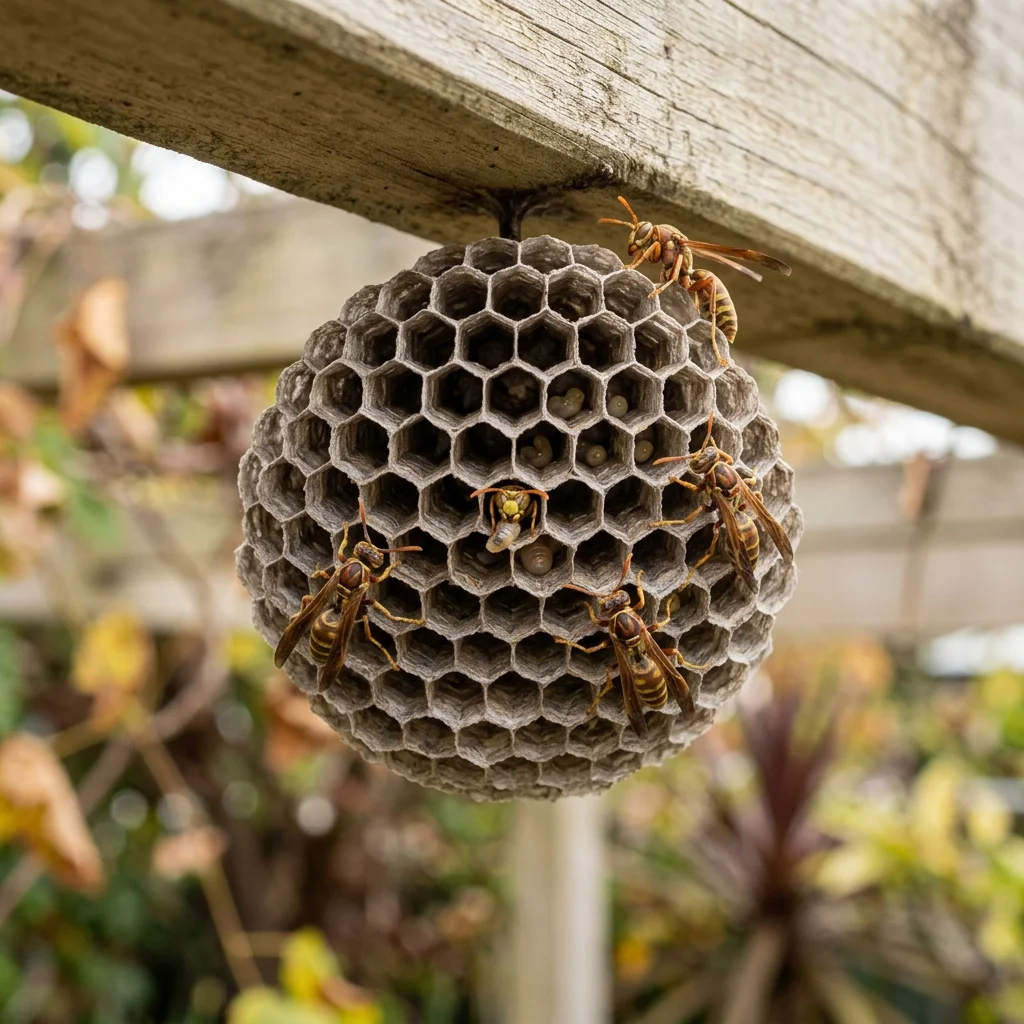
Native paper wasps are the most common species encountered by Northern Beaches residents. They build open, paper-like combs that hang from window frames, pergolas, and under eaves.
Paper wasps are slender and fly with their legs dangling down. While they are generally non-aggressive, they will sting repeatedly if their comb is accidentally bumped. This makes nests near doors, stairs, or entertaining areas a priority for prompt removal.
Invasive European Wasps
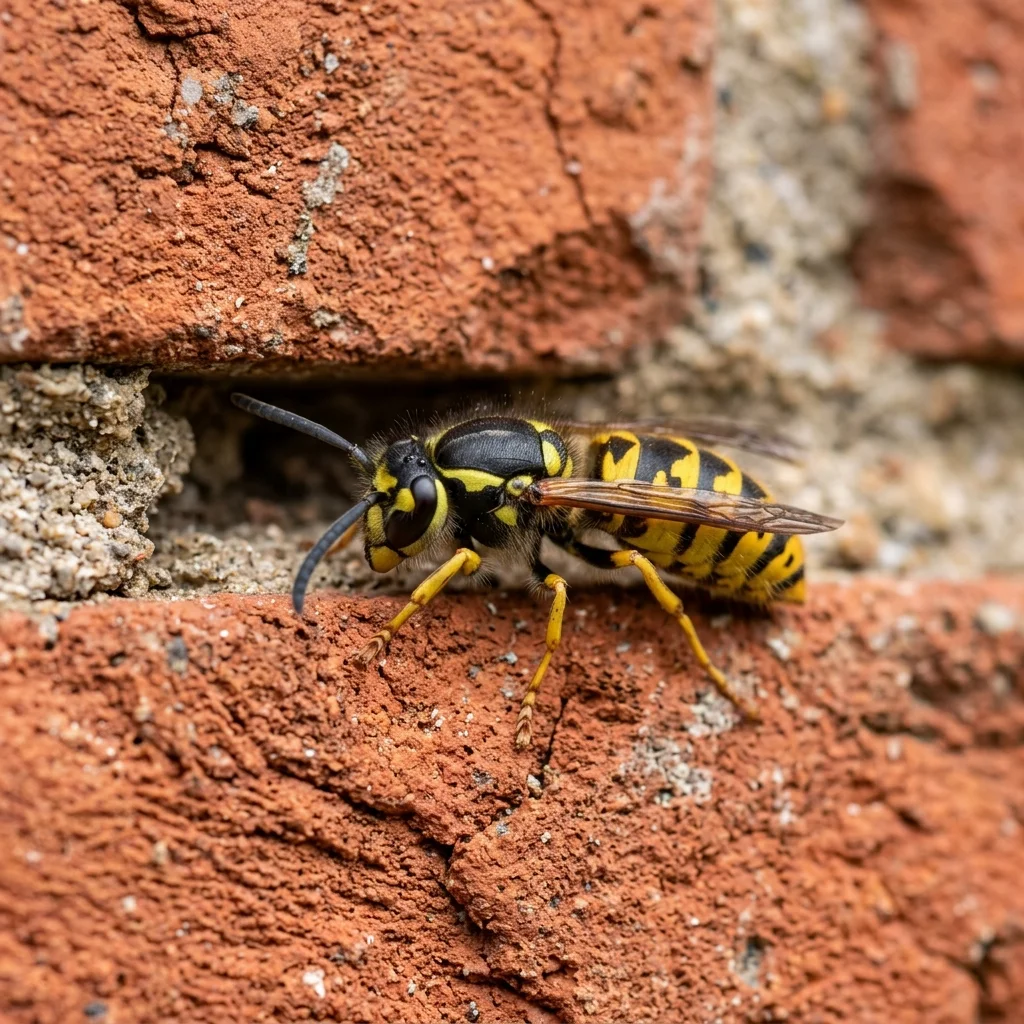
European wasps (Vespula germanica) are an aggressive, introduced pest. They are stockier than paper wasps, bright yellow and black, and tuck their legs in when flying.
European wasps build concealed nests, often underground, in garden banks, or inside wall cavities and roofs. Because of their aggression and high sting risk, you should never attempt to treat a European wasp nest yourself. We use specialized dusts and liquid treatments to eliminate the colony safely and remove the nest.
Other Local Species
Asian Paper Wasps: An invasive species similar to European wasps but distinguished by their yellow antennae. We treat and remove these invasive colonies quickly.
Mud Daubers & Potter Wasps: Solitary wasps that construct small mud nests. They are generally harmless and rarely sting. We will advise you honestly if a nest poses no threat and can be left alone.
Bee Removal and Live Relocation
Bees are critical pollinators, not structural pests. We prioritize live relocation for honeybees rather than chemical treatments, coordinating our efforts with local apiarists.
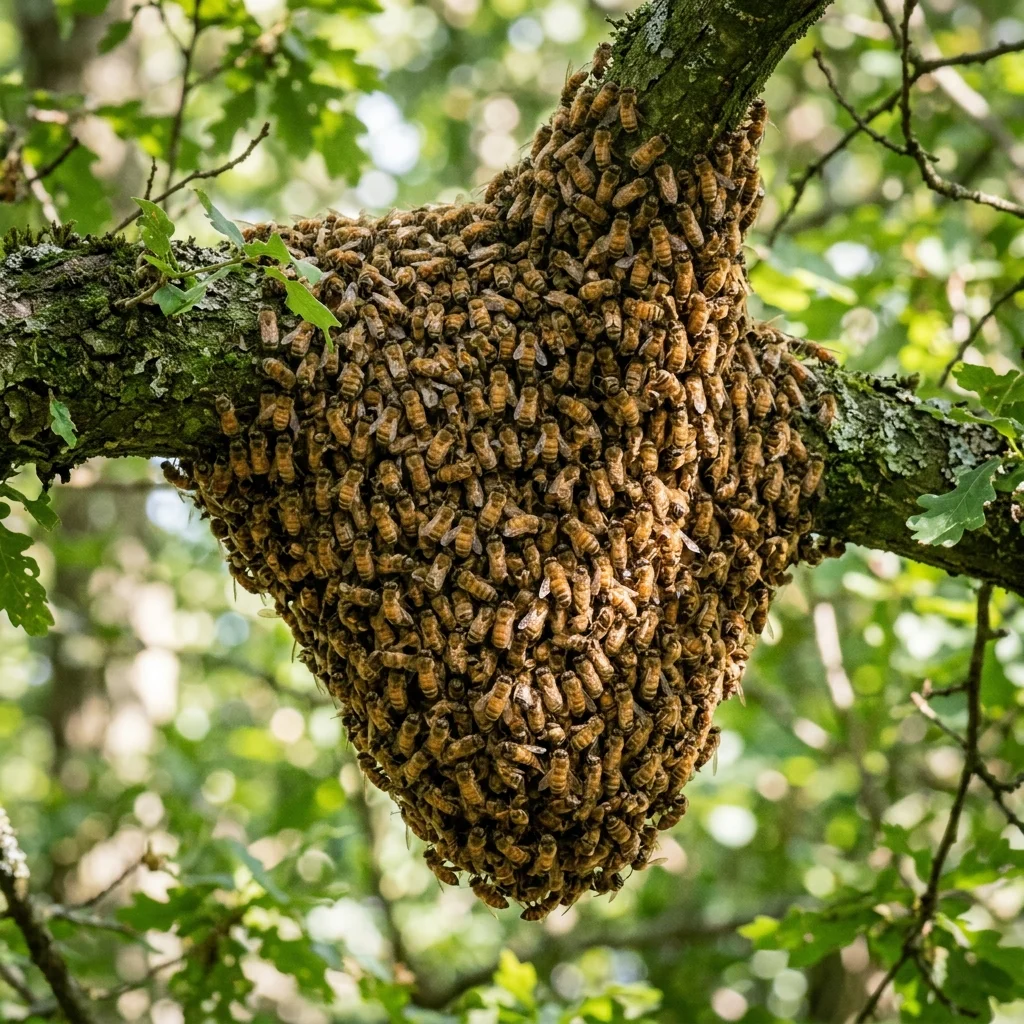
Bee Swarms: A swarm is a large cluster of bees that temporarily gathers on branches, fences, or walls while scouts seek a new nesting site. We collect these swarms and safely relocate them to local apiaries. This service complies fully with NSW’s concluded Varroa mite biosecurity management protocols.
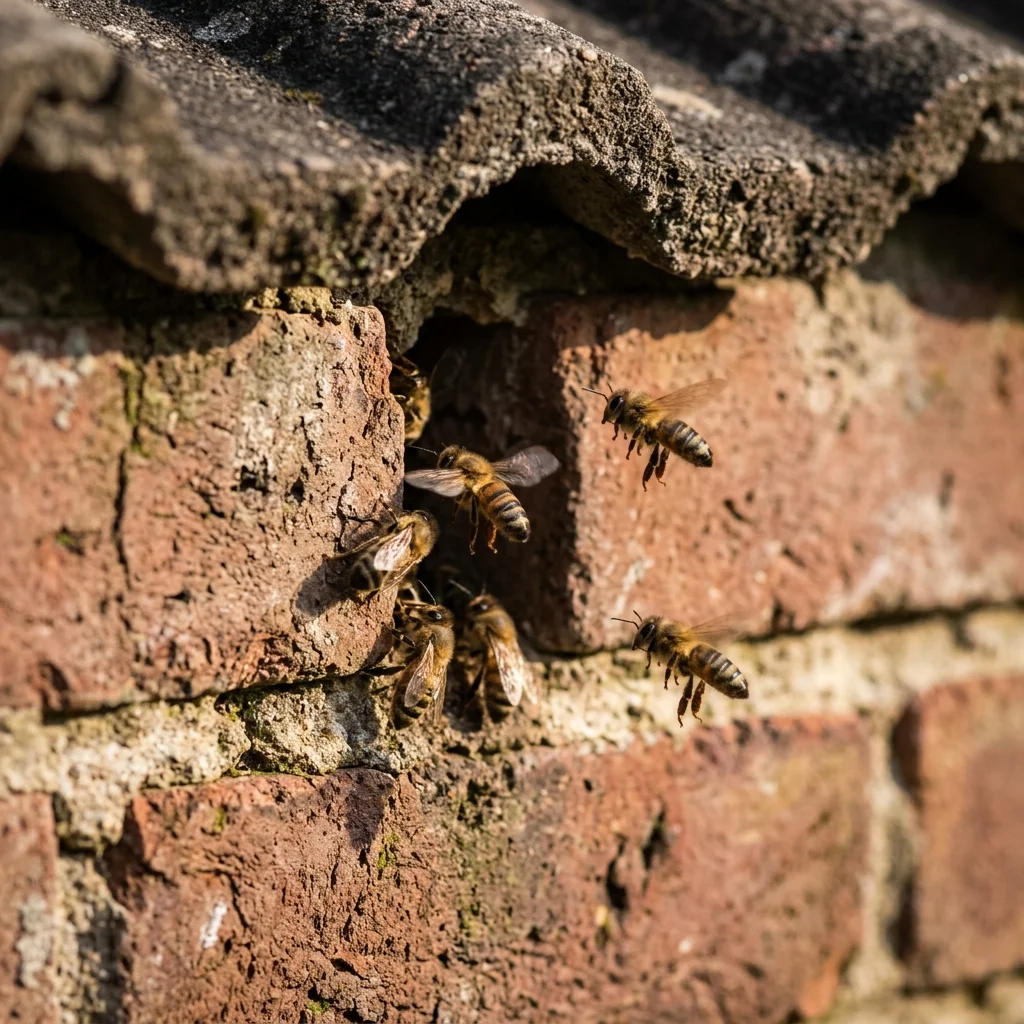
Established Hives in Cavities: When bees nest inside a wall or roof cavity, they build honeycombs that store honey. Relocating a colony from inside a brick wall or tiled roof requires invasive structural access. If relocation isn't feasible, we provide targeted treatments to eliminate the bees, then seal the entry points. This prevents honey from melting inside the wall, which can cause structural stains, odors, and attract other pests.
Native Australian Stingless Bees: These small, black bees are harmless and highly beneficial. We do not treat native bee hives.
Properties We Service
We adapt our treatment and relocation methods to suit the unique property styles and locations of the Northern Beaches.
Beachside Homes & Units
Balconies, timber pergolas, and eaves in Manly, Freshwater, Dee Why, and Collaroy are common locations for paper wasp nests. We provide low-disruption strata treatments.
Suburban Family Homes
Roofs and wall cavities in Brookvale, Mona Vale, Newport, and Warriewood often attract bee swarms. We extract hives and seal entry points.
Bushland & Acreages
Properties in Frenchs Forest, Belrose, Terrey Hills, and Ingleside frequently deal with European wasp nests in garden banks, sheds, and hollow trees.
Northern Beaches Service Locations
Frequently Asked Questions
Common questions from Northern Beaches residents about wasp removal and bee relocation.
How do I get rid of a wasp nest on the Northern Beaches?
Do you relocate bees or kill them?
Is it illegal to kill bees in NSW?
What is the difference between a wasp nest and a bee nest?
When are wasps most active around the beaches?
How much does wasp or bee removal cost?
Can I just leave a nest alone?
Get A Free Quote
Request Northern Beaches Wasp or Bee Service
Licensed pest control technicians operating across the Northern Beaches. Fast scheduling.
Northern Beaches Service Area Map
We service the entire Northern Beaches peninsula, helping residents, businesses, and schools safely remove wasp nests and manage bee swarms near national parks and waterways.
Service Hours: Mon - Sun: 7:00 AM - 8:00 PM (Emergency Callouts Same-Day)
Response Time: Same-day urgent callouts for stings and active nesting hazards.
Direct Hotline: +61 478 915 197
Other Sydney Service Pages
Cross-linked pages for other residential, commercial, and pest-specific exclusion solutions: