
Termite Treatment
Northern Beaches
Protecting Northern Beaches homes and businesses from a silent, costly threat.
The Northern Beaches is one of Sydney’s most beautiful coastal regions - and one of its most termite-prone. Surrounded by dense national parks and humid gully environments, homes from Manly to Palm Beach face persistent subterranean termite pressure.
Because standard Australian home insurance policies exclude termite damage, professional inspections and preventative barriers are your primary defense. Super Pest Controler delivers certified termite inspections, localized treatments, and chemical or bait protection systems suited to your property. For detailed technical specifications on active colony treatments and preventative barrier systems across Sydney, you can refer to our main termite control service page.
Did You Find Live Termites?
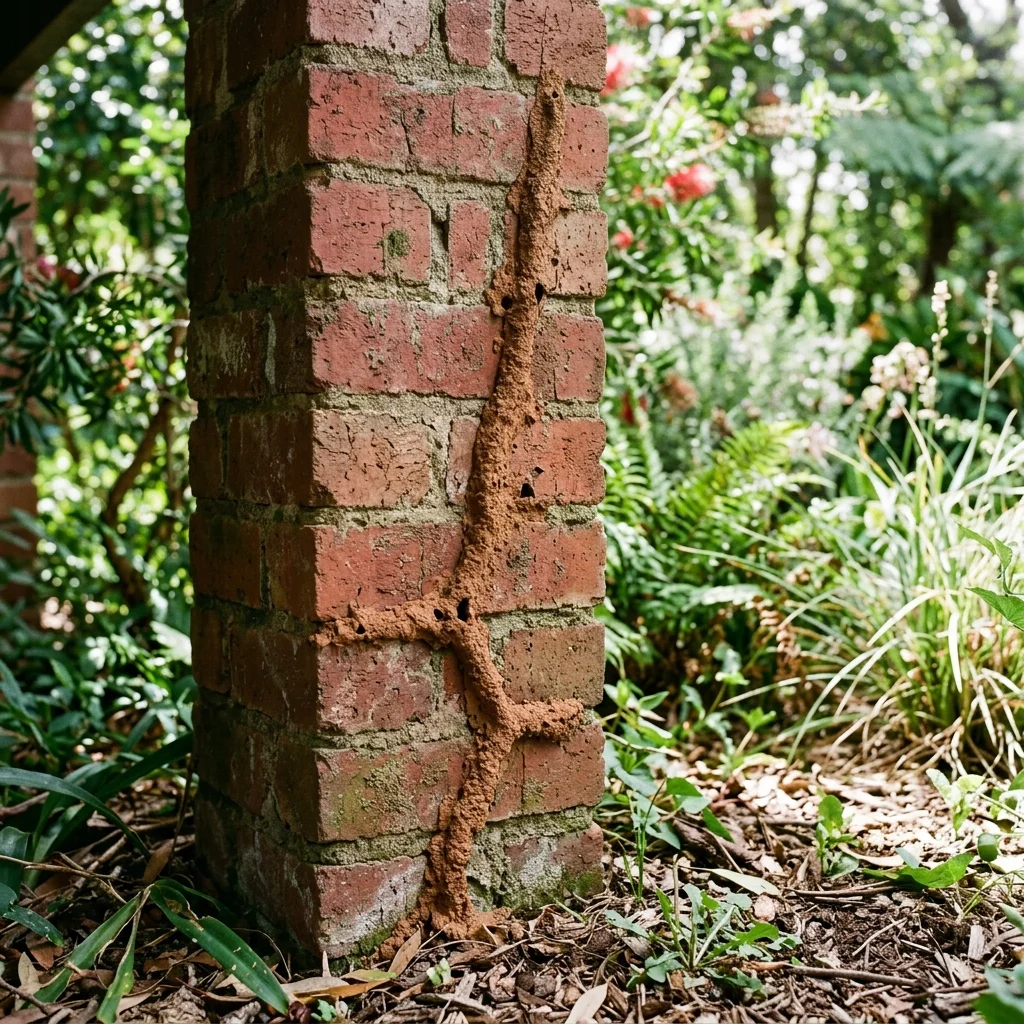
Critical Rule: Do not break the mud tubes or spray them with fly sprays. Disturbing termites causes the colony to retreat into structural timbers, making professional treatment harder and increasing the eventual repair bill. Leave them undisturbed and book an inspection immediately.
How much does termite treatment cost on the Northern Beaches?
A termite inspection to AS 3660.2 costs $250 to $400 on the Northern Beaches. If activity is found, baiting systems or chemical soil barriers are quoted per property, typically $2,000 to $4,000 for a full barrier. Homes near reserves should inspect annually.
NSW Licensed Technicians
AS 3660.2 Compliant Reports
APVMA Approved Barriers
Public Liability Cover
Why Termites Are a Major Problem on the Northern Beaches
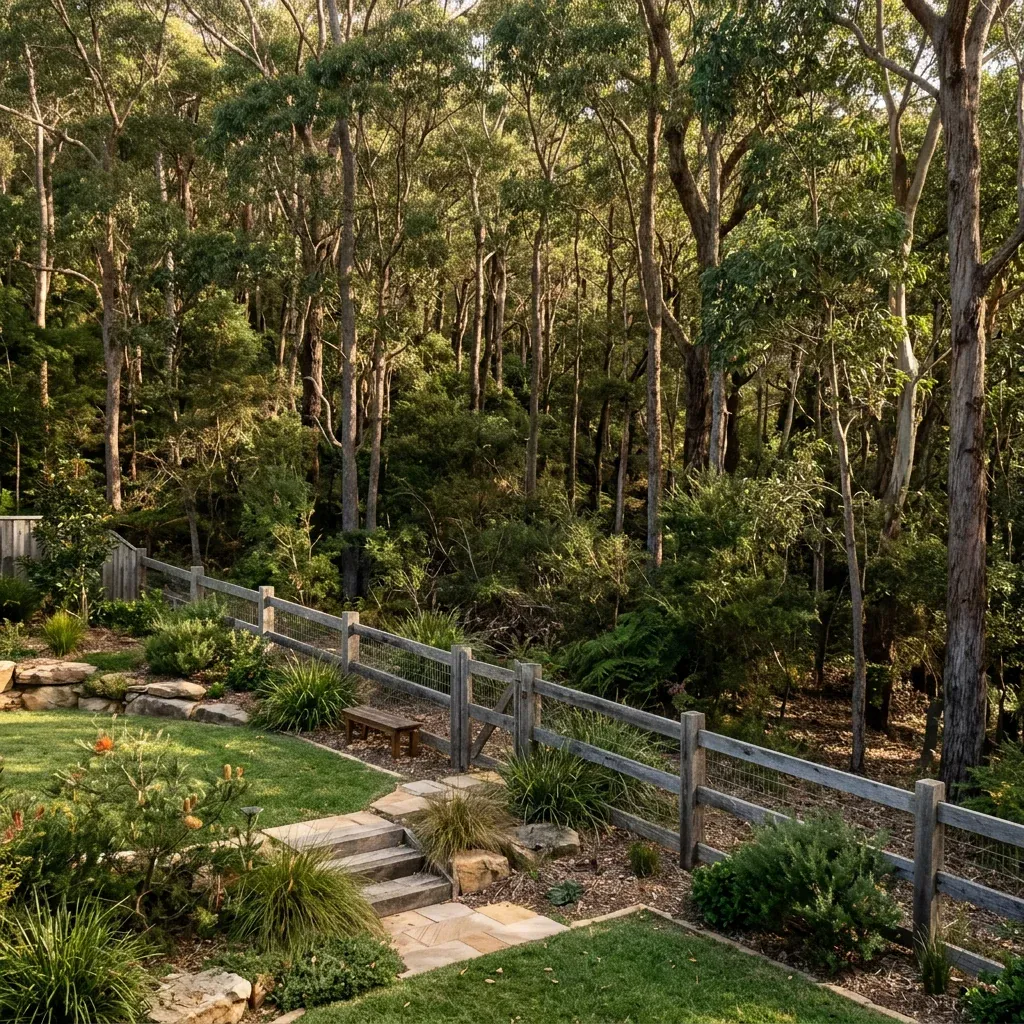
The Northern Beaches local government area covers roughly 250 square kilometres, featuring some of the largest tracts of natural bushland in metropolitan Sydney. Suburbs in the Forest district (Frenchs Forest, Belrose, Davidson, Duffys Forest, and Terrey Hills) back directly onto Garigal National Park and Ku-ring-gai Chase National Park. While beautiful, this proximity places native termite populations right on your property line.
Several local risk factors contribute to elevated termite pressure:
- Bushland Proximity: Established subterranean termite colonies forage underground up to 50-100 metres from their nest in search of timber. Reserves or national parks behind a home provide an ongoing source of termite pressure.
- Warm, Humid Coastal Climate: The peninsula experiences mild winters and warm, humid summers. Year-round coastal air and soil moisture allow termite colonies to remain active for longer periods than in drier inland regions.
- Sandy Soils & Waterways: Beachside suburbs sit on free-draining sandy soils, which are highly favored by specific termite species. High-water-table areas around Narrabeen Lagoon, Dee Why Lagoon, and Careel Bay keep surrounding garden soils damp and inviting.
- Older Timber Housing Stock: Older fibro cottages, raised weatherboard structures with subfloor spaces, timber stumps, and extensions offer a rich food source of cellulose.
- Post-Bushfire Risk: Following bushfire events, native termites are known to colonize fire-damaged and dead trees in high numbers, which increases foraging pressure on nearby unburned residential areas for several seasons.
Common Termite Species Found Locally
Identifying the specific termite species is essential, as nesting habits, destructive potential, and chemical treatments vary.
Coptotermes acinaciformis
Responsible for over 70% of serious structural damage in Sydney. Colonies can contain over a million individuals and feed rapidly on softwood frame structures. They nest in tree trunks or underground, but can establish independent sub-nests inside wall cavities near leaks.
Schedorhinotermes
A coastal and sandy soil specialist. Extremely common in beachside suburbs like Dee Why, Curl Curl, and Freshwater. They typically build nests in timber stumps, subfloors, and retaining walls, invading homes through tiny foundation joints and causing rapid timber hollows.
Nasutitermes walkeri
The species behind the dark, spherical nests seen high in eucalyptus trees. They forage through long mud tubes along tree trunks and fences. While they prefer damp hardwood outside (like decks and fences), they will occasionally enter homes if damp structures exist.
A Note on "White Ants"
Many Northern Beaches residents call these pests "white ants." While they resemble pale ants, they are actually related to cockroaches. Traditional ant treatments are completely ineffective against termites. Professional timber pest chemical systems are required to target their nesting behavior.
Signs of a Termite Infestation
Termites work silently behind drywall, plaster, and floorboards, eating timber from the inside out. Since they leave a thin outer layer intact, you must look for subtle clues of activity:
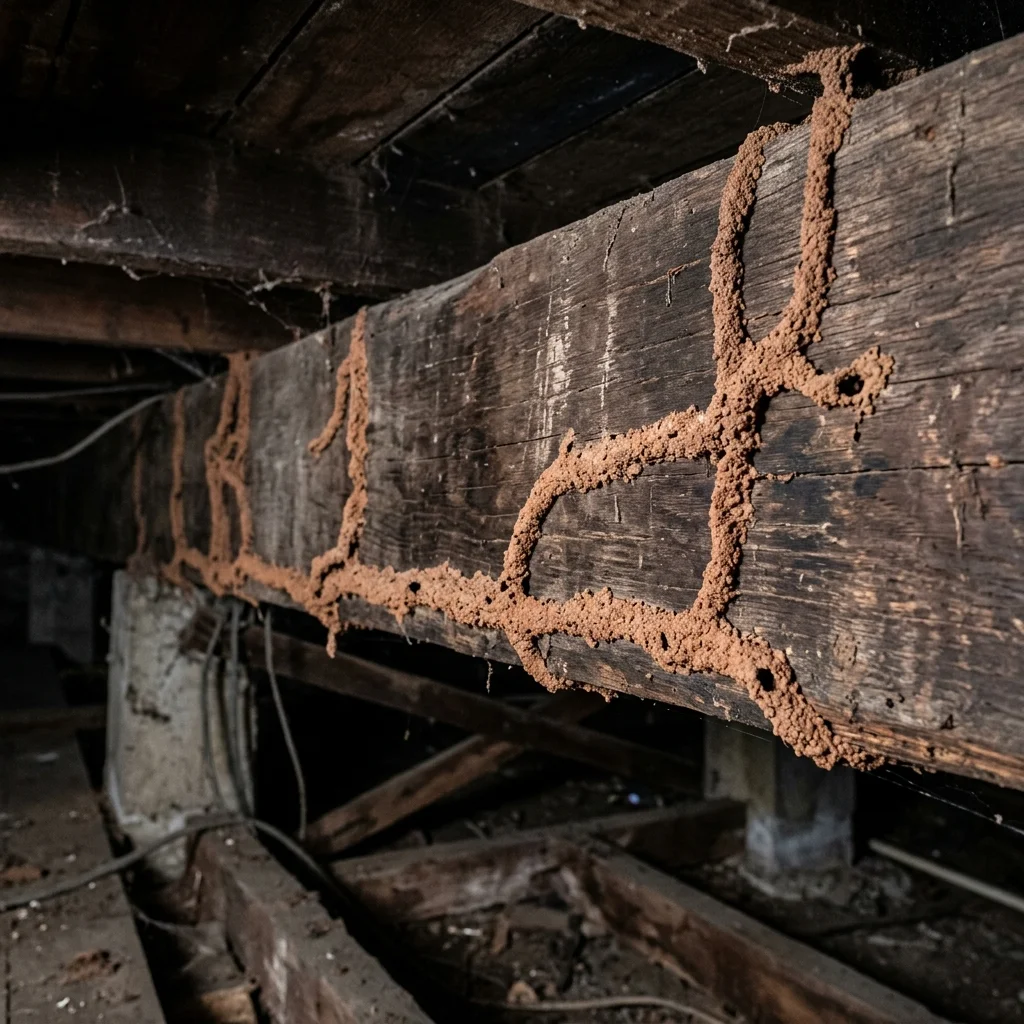
- Mud Shelter Tubes: Thin, textured tubes of mud and soil running up concrete foundation slabs, brick piers, or subfloor joists to shield them from dry air.
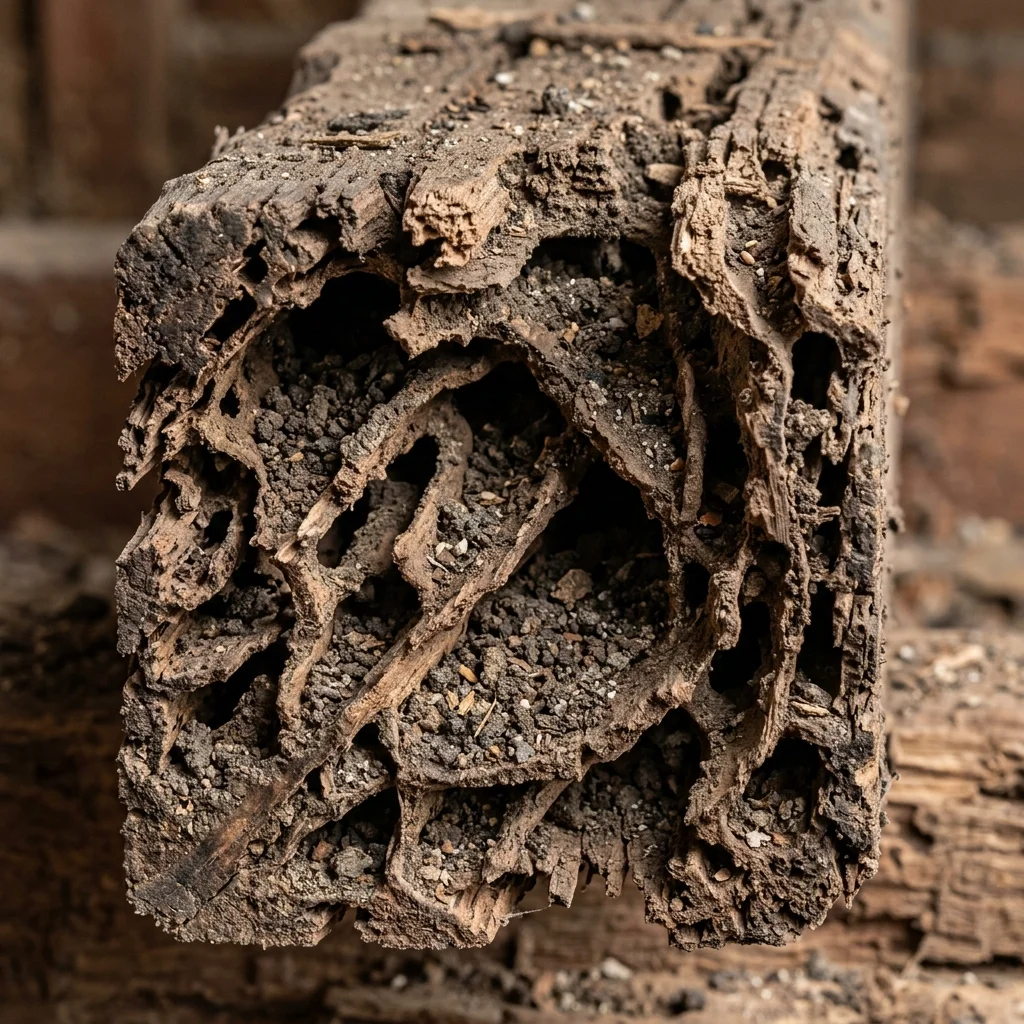
- Hollow-Sounding Timber: Skirting boards, door frames, or structural studs that sound hollow when tapped, or crumble under light pressure.
- Rippled or Blistering Paint: Painted walls that look bubbled, distorted, or have thin dirt marks tracing underneath the paint film.
- Sticking Windows and Doors: Swelling frames caused by moisture and structural damage from termite activity can prevent doors and windows from closing cleanly.
- Shed Wings (Alates): Piles of small, translucent wings near windowsills or light fittings, left behind after flying termites swarm on humid summer nights.
Property Damage Caused by Termites
Left unchecked, termites will compromise structural integrity by chewing through bearers, floor joists, wall studs, and roof trusses. Because their damage remains hidden for months, the cost of structural repairs can run into tens of thousands of dollars before homeowners notice a problem.
Residential Damage: Timber decks, balconies, pergolas, and subfloor support structures are prime entry points. Sandy soil gardens and garden mulch placed directly against external brickwork bridge the damp course, allowing termites to bypass brick vents and access internal timber frames.
Commercial & Strata Properties: Larger floor plans, shared concrete slabs, and crawl spaces in multi-residential blocks make inspections more complex. If one townhouse in a strata block is infested, termites can easily travel through shared cavities, placing the entire building group at risk.
Professional Termite Inspection Process
We perform thorough timber pest inspections in strict accordance with Australian Standard AS 3660.2 (existing buildings) and AS 4349.3 (pre-purchase reports).
Areas We Inspect
- 1 Interior Spaces: Skirtings, window frame linings, architraves, built-in wardrobes, and dry wall surface moisture levels.
- 2 Subfloor Spaces: Foundation brickwork, support piers, bearers, joists, and under-floor soil moisture.
- 3 Roof Voids: Structural roof trusses, ceiling joists, wall plates, and insulated ceiling spaces.
- 4 Exterior Perimeter: Weepholes, slab edges, expansion joints, pergolas, decks, and external cladding.
- 5 Property Grounds: Stored firewood, timber sleeper retaining walls, fences, garden boundaries, and mature tree trunks.
Technology & Reports
Our technicians carry advanced inspection technology, including:
- Thermal Imaging: Detects metabolic heat signatures from active termite sub-nests inside drywalls.
- Moisture Radar: Locates damp areas within wall framing, indicating leak zones highly conducive to termite nesting.
- Termatrac Radar: Detects movement through plasterboard without drilling holes or disturbing active workings.
You receive a detailed written report outlining active termite locations, past damage, moisture sources, property risk factors, and recommended preventative systems.
Termite Treatment & Protection Options
We customize termite management systems to suit your building structure, local soil profile, and budget. Our primary treatments are APVMA-registered:
Chemical Termite Barriers (Treated Zones)
We trench and saturate the soil surrounding your home, or drill and inject termiticide through concrete paths and slabs. Modern non-repellent chemicals are undetectable to termites. As they forage through the soil, they pick up the active agent and transfer it to the colony (the transfer effect), leading to complete colony elimination.
Termite Baiting and Monitoring Systems
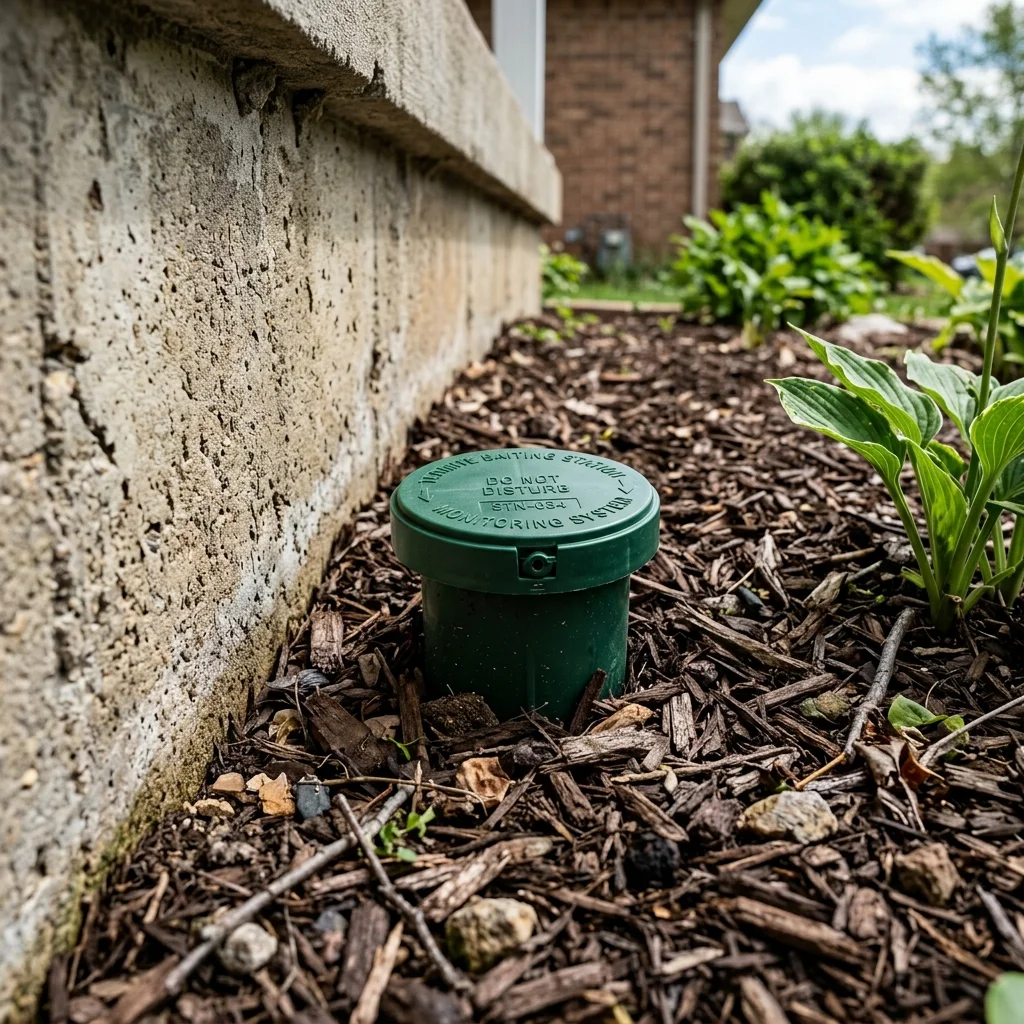
Ideal for homes built on sloping sandstone, properties with large concrete slabs, or gardens where digging trenches is impractical. We install in-ground monitoring stations filled with highly palatable cellulose bait around the home perimeter. Technicians check the stations regularly, replenishing bait once termites feed to ensure colony knock-down.
Direct Active Site Treatments
If live termites are feeding inside your walls, we apply targeted termiticide foams or dusts directly into their galleries. This controls the immediate infestation prior to installing a long-term soil barrier.
Preventative Termite Management & Solutions
While professional chemical systems offer heavy protection, simple home maintenance drastically reduces termite risk.
Home Maintenance Checklist
- Fix Leaking Taps and Gutters: Termites require constant moisture to survive. Leaking pipes, damaged gutters, and hot water overflow valves create wet zones that draw them in.
- Clear Subfloor Vents: Stagnant, humid air underneath raised floors is highly inviting. Ensure brick subfloor vents are clear of garden mulch or storage.
- Eliminate Timber-to-Ground Contact: Wood piles, timber garden sleepers, pergola posts, and trees in contact with the ground serve as primary pathways into your home.
- Inspect Slab Edges: Keep external slab edges clear of soil, paths, or plantings to expose active mud leads attempting to bridge their way inside.
Standard Maintenance Requirements
Australian Standards emphasize that termite barriers are designed to force termites out into the open (where mud leads can be visually spotted), not block them indefinitely.
Therefore, standard preventative care dictates:
- Professional inspections at least once every 12 months.
- Bi-annual (6-month) checks for high-risk properties near Garigal/Ku-ring-gai national parks.
- Annual inspection validation to maintain chemical barrier manufacturer warranties.
Local Suburb risk profiles
Frenchs Forest / Belrose / Terrey Hills
Heavy canopy cover, clay-based sub-soils, and direct boundaries with national parks. Extremely high Coptotermes pressure.
Avalon / Newport / Palm Beach
Pittwater peninsula properties on steep sandstone slopes with subfloor cavities, surrounding Angophora gullies, and high timber decks.
Manly / Dee Why / Collaroy
Coastal sandy soils favoring Schedorhinotermes. Elevated humidity levels around Narrabeen Lagoon and coastal wetlands.
Why Local Experience Matters on the Northern Beaches
A termite treatment strategy cannot be a one-size-fits-all template. Property construction styles vary drastically across the Northern Beaches:
A sandstone-anchored, multi-level home in Avalon backing onto a damp reserve presents a different set of challenges than a slab-on-ground suburban home in Frenchs Forest, or a brick townhouse complex in Dee Why.
A local technician who understands our regional soils, the local national park boundaries, the common species, and the architectural nuances of coastal housing is critical. At Super Pest Controler, our technicians are local residents. We know which areas are termite hot zones, how sandy coastal soils affect chemical barrier absorption, and where to look for entry trails on steep, hard-to-access bushland properties.
Protect Your Property
Request Northern Beaches Termite Service
Licensed timber pest technicians operating across the Northern Beaches. Rapid scheduling.
Northern Beaches Service Area Map
We service the entire Northern Beaches peninsula, helping residents, businesses, and strata managers protect structural timbers from active infestation.
Service Hours: Mon - Sun: 7:00 AM - 8:00 PM (Emergency Callouts Same-Day)
Response Time: Urgent prioritized booking for active termite situations.
Direct Hotline: +61 478 915 197
Frequently Asked Questions
Common questions about termite treatments and control systems on the Northern Beaches.
How much does a termite inspection cost on the Northern Beaches?
How often should I get a termite inspection if I live near bushland?
Are termites covered by home insurance in NSW?
What is the difference between a termite barrier and a baiting system?
Do I need a termite inspection before buying a house on the Northern Beaches?
What should I do if I find termites in my home?
Can termites be completely removed, or only controlled?
Other Sydney Service Pages
Cross-linked pages for other residential, commercial, and pest-specific exclusion solutions: