Possum Removal
Dural
Hearing heavy thumping in your ceiling at night or finding gardens stripped in Dural?
In leafy, semi-rural pockets like Dural, mature eucalyptus trees, extensive orchards, and generous roof cavities create an ideal habitat for native possums. However, once they move inside your ceiling, they can cause significant noise and structural damage. Super Pest Controler provides professional, licensed, and humane possum removal and exclusion services tailored specifically for the larger homes, acreage blocks, and rural properties in Dural and the Hills District.
Possums are protected native wildlife under the NSW Biodiversity Conservation Act 2016. Relocating them away from their home range is illegal and fatal. We offer lawful catch-and-release and exclusion solutions that keep your home compliant with state guidelines, seal the property to prevent return, and protect local wildlife.
NSW Biodiversity Protection
Both brushtail and ringtail possums are protected under the Biodiversity Conservation Act 2016. Any capture and release must occur strictly within 150 metres of the catch site. Relocating a possum to parks or distant reserves is illegal and subject to heavy fines under NSW law.
NPWS Licensed Catchers
12-Month Sealing Warranty
$20M Public Liability Ins.
Acreage & Semi-Rural Experts
Why Dural Properties See So Many Possums
Dural sits roughly 36 kilometres north-west of the Sydney CBD, straddling both Hornsby Shire and The Hills Shire. Known for its acreage blocks, hobby farms, commercial nurseries, and spacious family estates, it lies directly adjacent to dense bushland corridors such as Berowra Valley and Galston Gorge. While this natural setting makes the suburb highly desirable, it also provides a ready-made highway for possums to enter residential buildings.
Several key factors contribute to the high frequency of possum call-outs in Dural:
- Bushland on the doorstep: Overhanging limbs from mature gums and dense treelines flanking local properties provide brushtails and ringtails with effortless access to eaves, gutters, and roofs.
- Spacious, older homes: Many established homes in Dural possess large roof cavities, crawl spaces, outbuildings, pergolas, and timber gable vents, which offer warm, dry, and predator-free nesting sites.
- Orchards and nurseries: Dural's rich history as agricultural land means properties feature citrus groves, vegetable beds, and ornamental gardens. Possums browse these plants, stripping roses, fruit trees, and shoots.
- Cooler, elevated climate: With its higher elevation and tree cover, Dural experiences cooler night temperatures, especially in autumn and winter, driving possums to seek insulated roof cavities for shelter.
Because Dural properties range from compact residential houses to sprawling semi-rural estates, possum management must adapt to the property style. A single-family home on an acre with multiple entry points requires a different scope than a suburban brick villa.
Brushtail or Ringtail? Knowing What You Are Dealing With
The two possum species common to Dural behave differently, requiring distinct management and exclusion tactics.
Common Brushtail Possum
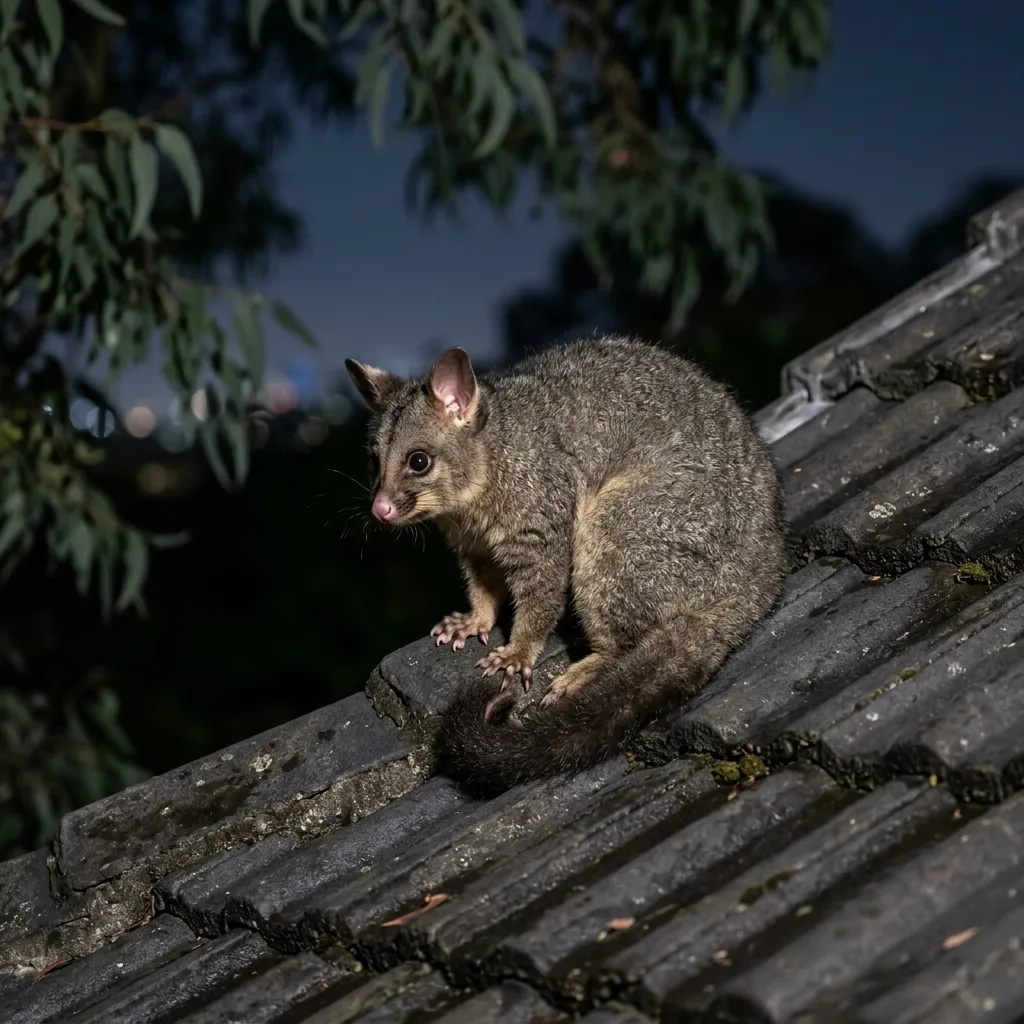
Brushtails are cat-sized with thick grey or brown fur, large pointed ears, and a black, bushy prehensile tail. Highly territorial and vocal, they are the primary species that invades roof voids, wall cavities, and chimneys. The loud thumping, guttural hissing, and heavy walking heard above ceilings after dark are almost always the work of a territorial brushtail looking for a permanent den.
Common Ringtail Possum
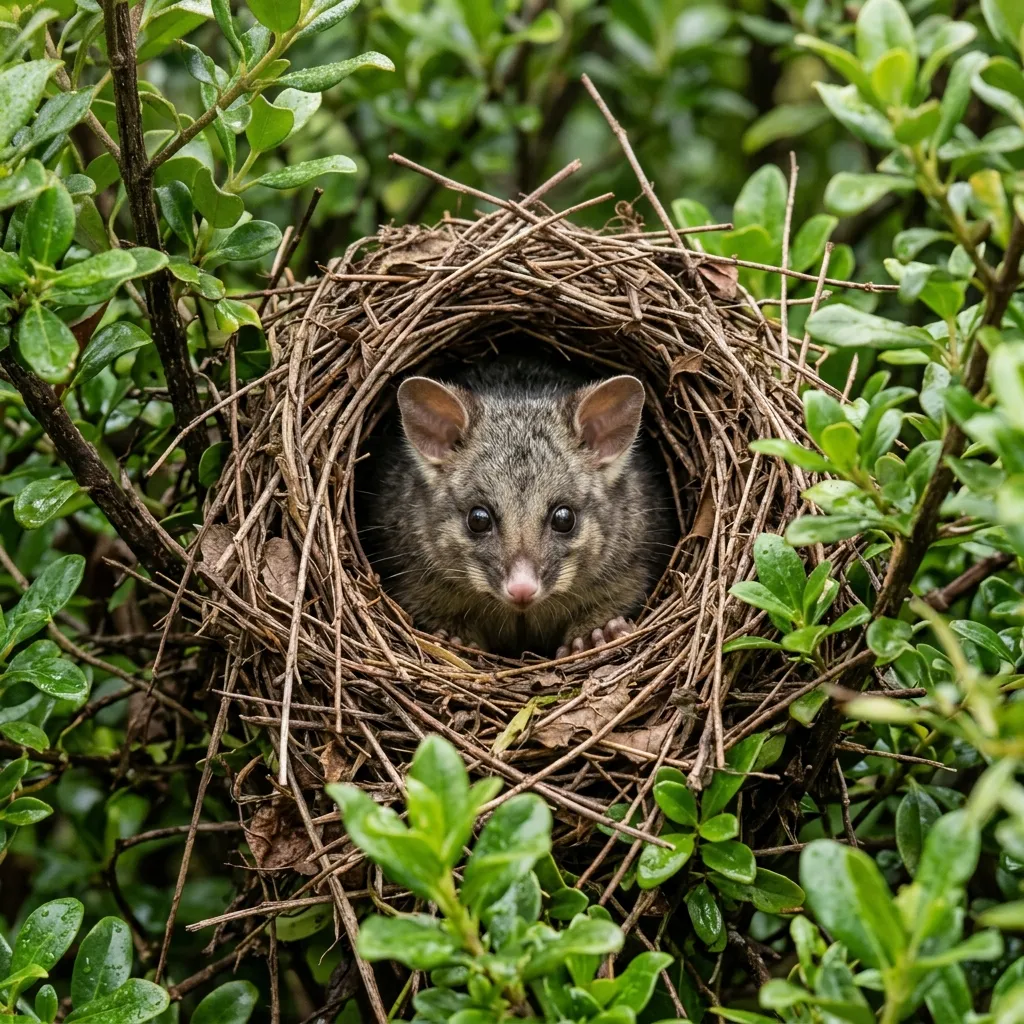
Ringtails are smaller (about the size of a small rabbit) with rounded ears, grey-brown fur, and a slender, white-tipped tail that curls tightly. Rather than nesting inside roofs, ringtails typically construct a woven ball of twigs and leaves, called a drey, in dense garden hedges, creepers, or fruit trees. While they rarely enter roof spaces, they frequently forage in Dural vegetable gardens and fruit orchards.
Signs You Have a Possum, Not a Rat
Homeowners often mistake possums for large rodents. However, the management, legal requirements, and treatments for these pests are entirely different. Here is what to listen and look for:
Slow, Heavy Thumping
Slow, deliberate steps or a galloping sound across the ceiling. Possums are heavy and move like a small cat, whereas rats make light, rapid scratching noises.
Entry Point Noises
Scratching and thumping concentrated around roof eaves, gable vents, or loose tiles at dusk and dawn as the animal exits and enters.
Vocalizations
Deep, guttural coughing, grunting, or hissing sounds coming from the roof space, particularly active during the spring and autumn breeding peaks.
Large Droppings
Dark, cylindrical droppings about the size of an olive seed, typically deposited near roof entry paths, gutters, or on verandah railings.
Musky Odour & Staining
A strong, persistent musky ammonia smell inside the upper levels of the home, occasionally accompanied by yellow-brown stains on plaster ceilings.
Stripped Gardens
New growth on rose bushes stripped bare, citrus fruits chewed open, and fresh vegetable gardens damaged overnight.
If the noise is concentrated at dawn and dusk and sounds heavy, possum removal is almost certainly what you need. If you are unsure, our inspection identifies the species before anything else.
What Possums Actually Damage
While possums are protected native animals and not destructive pests by nature, having a feral colony make a den inside a home or commercial building leads to significant, costly damage over time:
- Gnawed Wiring: Possums chew on plastic conduits and copper cabling, which is a major fire hazard in older Dural homes.
- Insulation Soilage: Urine and droppings compress, soil, and ruin ceiling insulation, rendering it ineffective and requiring replacement.
- Ceiling Plasterboard Staining: Accumulating liquid wastes seep through ceiling panels, leaving dark yellow marks and causing plaster to sag.
- Ammonia Odours: The persistent smell of animal waste fills living spaces, impacting air quality and making properties uncomfortable.
- Vegetation Striping: Fruit trees, prize rose beds, and vegetable gardens are browsed overnight, hindering nursery and hobby farm production.
- Sleep Disruption: Noise from fighting, mating, scratching, and heavy footsteps directly impacts resident well-being.
Addressing the problem early prevents the accumulation of waste and avoids high repair bills for plasterboard and wiring.
NSW Biodiversity Conservation Act Compliance
In New South Wales, both the common brushtail and common ringtail possum are protected under the Biodiversity Conservation Act 2016. This means it is strictly illegal to harm, trap, kill, or relocate a possum without a specific wildlife licence.
Commercial pest controllers must operate under a catch and release possum licence issued by the NSW Department of Climate Change, Energy, the Environment and Water (DCCEEW). This licence enforces strict conditions designed to protect the animal.
The core regulation is the 150-metre release rule: captured possums must be released after dark on the same property, within 150 metres of the catch site. Relocating a possum to local reserves, parks, or adjacent suburbs is illegal. Research shows relocated possums rarely survive in unfamiliar, established territories.
Therefore, the only lawful way to resolve a nesting issue is to humanely evict the animal, release it on-site, and permanently seal the roof entry points. This process ensures the possum remains in its home territory but is kept out of your living space.
Our Possum Removal & Exclusion Process
We follow a structured, compliant, and permanent exclusion methodology to resolve possum issues on your Dural property.
1. Inspection
We inspect the roof space, eaves, valleys, gutters, and trees. We identify the nesting sites, confirm the species (brushtail or ringtail), and check for the presence of dependent young before taking action.
2. Humane Eviction
We install a custom one-way exclusion door over the main active entry point. The possum exits at night to forage but cannot re-enter. In select cases, approved cage traps are used under strict licensing parameters.
3. Roof Proofing
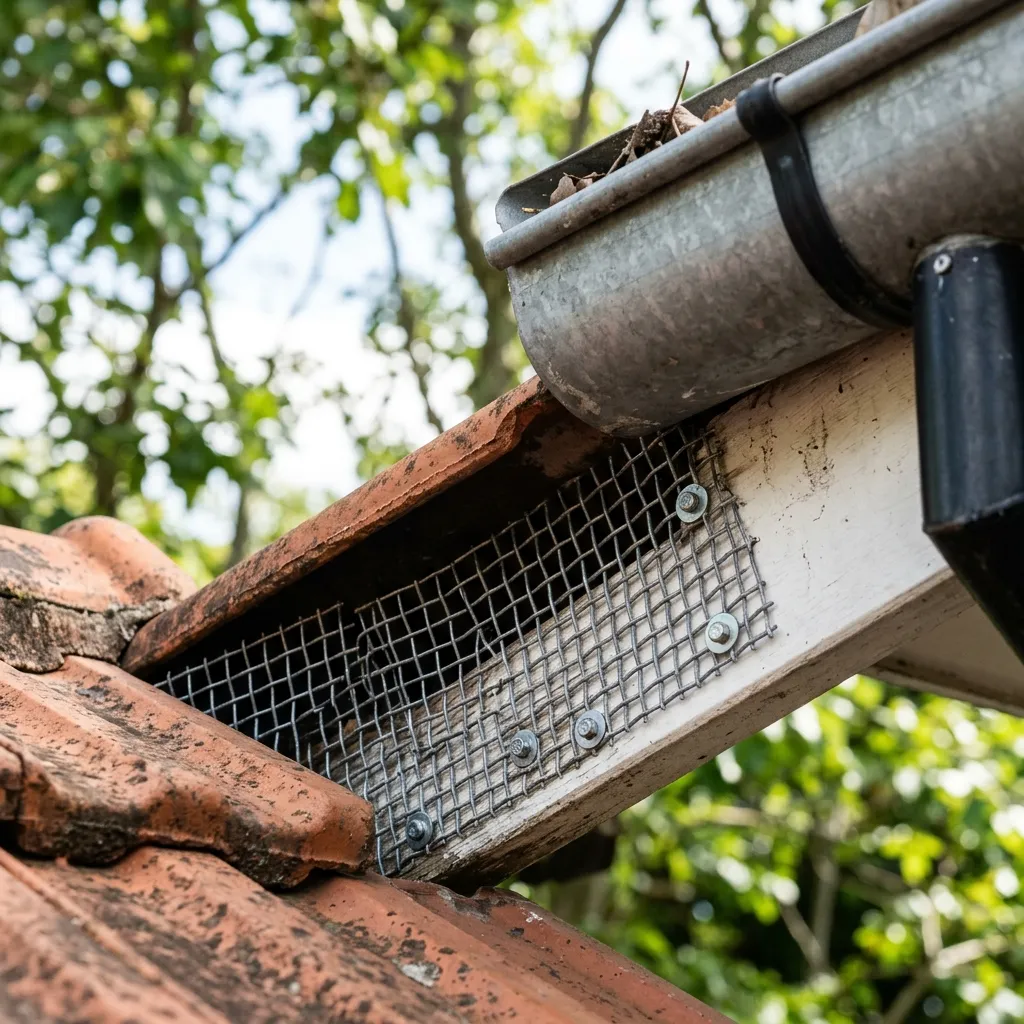
This is the critical step. We seal gaps using high-grade galvanized steel mesh and metal flashing, repair broken tiles, cap vents, and block structural access paths. We also advise on trimming branches overhanging your roof.
4. Nest Box Setup
To provide an alternative habitat, we can install a weather-resistant possum nest box in a nearby tree. This encourages the possum to relocate away from your roof void while keeping it on the property.
Possum Proofing for Dural Acreages and Large Family Homes
Dural features unique property styles. Unlike high-density CBD zones, homes here are often large multi-level designs, weatherboard cottages, colorbond architectural structures, or agricultural sheds on sprawling acreage. These larger footprints naturally present many more potential access points for possums:
- Roof sheet gaps: Corrugated metal and colorbond sheets require customized profile foam and flashing to seal snug against joists.
- Gable vents and louvres: Timber and metal vents must be reinforced with galvanized steel mesh to block entry while preserving airflow.
- Eave cavities: Decaying timber fascia boards and lifted flashing create gaps that brushtails easily expand.
- Sheds and outbuildings: Farms and acreage properties contain detached garages, storage sheds, and nurseries that need independent exclusion.
Our team is experienced with Hills District housing styles. We carry specialized proofing materials to seal timber, masonry, and metal roofing systems permanently.
Urgent Dead Possum Removal
A dead animal inside a roof void or wall cavity creates immediate health concerns and a strong, unpleasant smell. If you suspect a deceased possum on your Dural property, we provide emergency dead animal extraction. We locate the animal, safely remove it, dispose of it in accordance with local guidelines, and sanitize the area with commercial-grade bio-treatments to eliminate odours and bacteria.
Call Emergency LineInjured or Orphaned Wildlife Contacts
If you discover an injured possum, a fallen ringtail drey with live animals, or an orphaned joey on your property, please contact certified wildlife rescue volunteers. They possess specialized facilities to rehabilitate protected native fauna. Do not attempt to raise or care for wild possums yourself, as this requires dedicated training and state authorization.
WIRES (Hills/Hornsby Branch): 1300 094 737
Sydney Wildlife Rescue: (02) 9413 2442
Why Choose Our Dural Possum Removal Team
We protect your family home, acreage estate, or commercial orchard with licensed, expert services.
Licensed & Compliant
Operated by fully licensed and insured technicians conforming to NSW EPA and DCCEEW guidelines.
Humane Treatment
We focus on exclusion, one-way exit installations, and tree nesting boxes without harming the wildlife.
Acreage Expertise
Experienced with larger properties, outbuildings, orchards, and complex structural roofs common to Dural.
12-Month Sealing Warranty
All our physical proofing, sealing mesh, and timber repairs are covered by a written 12-month workmanship warranty.
Clear Fixed Quotes
We outline the exact scope of works and cost after inspecting the property, avoiding surprise pricing.
Local Hills Knowledge
Servicing Dural, Round Corner, Middle Dural, Galston, Kenthurst, Glenhaven, and Arcadia daily.
Ready to reclaim a quiet roof void?
Contact us today for a free Dural possum removal quoteOur Holistic Pest Services
Need comprehensive protection? Explore our related services to safeguard your property against all pests.
Possum Proofing Services
Excluding possums, sealing entry points, and installing alternative boxes.
Dead Possum Removal
Extracting deceased pests and bio-sanitizing the affected cavities.
Rodent & Rat Control
Comprehensive rat and mouse exclusion solutions for homes and farms.
All Pest Control Services
View our full directory of residential, strata, and commercial services.
Pest Control Dural
Our main location landing page for Dural pest and termite treatments.
Termite Inspections & Treatment
Acreage timber pest inspections and barrier systems in postcode 2158.
Got Questions?
Frequently Asked Questions
Everything you need to know about possum removal in Dural, answered by our licensed team.
Is it illegal to remove a possum myself in Dural?
Can you relocate the possum somewhere away from my property?
How do I know if it is a possum and not a rat in my roof?
How much does possum removal cost in Dural?
Will the possum come back after it is removed?
What time of year are possums most active in Dural homes?
Get A Free Quote
Request Dural Possum Relocation
Licensed catchers operating across postcode 2158. Quick bookings confirmed instantly.
Dural Service Area Map
We provide specialized possum relocation and roof proofing services across the entire Dural area and surrounding suburbs. Our local Hills District teams are dispatched daily for inspections, proofing, and emergency extractions.
Service Hours: Mon - Sun: 7:00 AM - 8:00 PM
Emergency Dispatch: Available 24/7 for urgent calls (e.g. animal trapped indoors).
Contact Details: +61 478 915 197 | [email protected]
Other Sydney Areas We Serve
We provide humane possum removal solutions across all major areas in Sydney.