
Possum Removal in Roof: How to Choose a Licensed Professional in Sydney
Hearing heavy thumping above the ceiling around dusk, scratching that moves from one corner of the roof to another, or a sudden musty ammonia smell drifting down into a bedroom usually means the same thing: a possum has moved into your roof. It is one of the most common wildlife problems homeowners face in Australia, and one of the most misunderstood.
Possum in your roof? Here is what you need to know: Possums are protected native wildlife in Australia. Trapping, harming, or relocating them without a licence is illegal and subject to heavy fines. A proper resolution requires a licensed controller to inspect your roof, humanely evict the animal (often using a one-way door), and permanently seal all entry gaps to prevent re-entry.
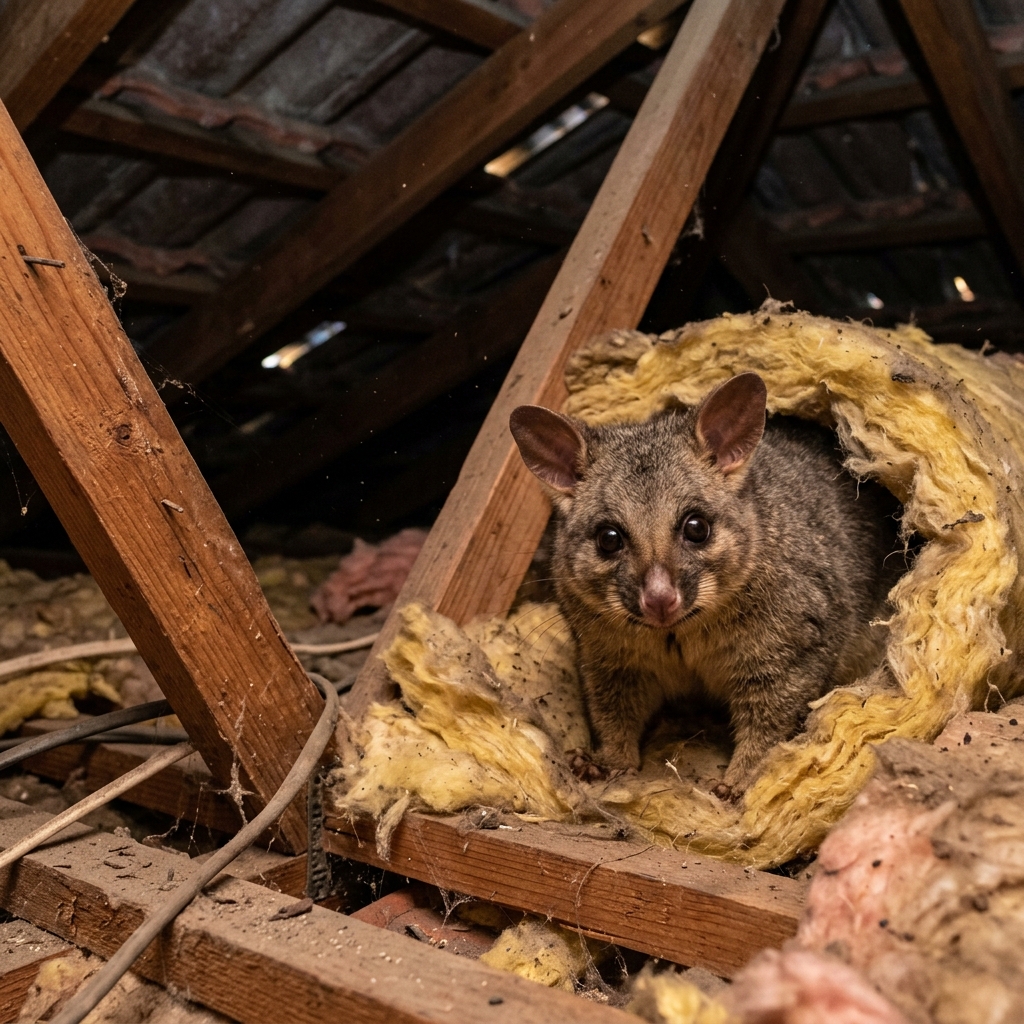
Here is the part most people do not realise until they start searching: you cannot legally deal with this yourself the way you might with rats or mice. Possums are a protected native species. Trapping, harming, or relocating one without the right licence is against the law in every Australian state, and the penalties are serious. That single fact shapes everything about how a possum should be removed from a roof, who is allowed to do it, and what a good job actually looks like.
This guide walks through the whole picture: why possums get into roofs in the first place, how to read the warning signs, how to choose a genuinely qualified possum removal company, what the process and the law require, realistic costs in Sydney, and the proofing steps that actually keep them out for good. The aim is to give you enough working knowledge to hire well and avoid the expensive mistakes that send homeowners around in circles.
Why Possums Enter Roofs
A roof cavity is, from a possum's point of view, close to perfect. It is dark, dry, warm in winter and insulated from heat in summer, predator-free, and tucked above the ground where cats and dogs cannot reach. To a brushtail possum that has lost a hollow tree to land clearing or storm damage, your ceiling space is simply the best available den.
Two species account for almost all roof intrusions in Australian cities:
- Common brushtail possum: The larger, bolder of the two, cat-sized with a bushy black tail, and the one responsible for the loud night-time thumping people describe.
- Common ringtail possum: Smaller, builds woven nests called dreys, and is more often found in dense garden foliage, though it will use a roof if access is easy.
Urban density is the real driver. As tree hollows disappear and suburbs expand into bushland fringes, possums adapt to the built environment, and roof cavities, garages, and wall voids become substitute dens. Mature gardens, fruit trees, compost, pet food left outside, and overhanging branches that bridge straight onto the roofline all make a property more attractive. Once a possum finds a gap, its strong territorial instinct means it returns to the same den night after night, which is exactly why a quick eviction without proofing almost never holds.
Sydney-specific factors
Sydney's housing stock makes roof entry easy. Older inner and middle-ring suburbs, from the Inner West to the North Shore and Northern Beaches, are full of Federation and California bungalow homes with terracotta tiled roofs, generous eaves, and gable vents, all of which create gaps a possum can lever open. Heritage homes often have aged timber fascia and decades-old tile work that no longer sits tight. The city's humid subtropical climate and dense leafy canopy in suburbs like Lane Cove, Ku-ring-gai, and the Hills district give possums abundant cover and easy rooftop access via overhanging gums and figs.
Signs You Have a Possum in Your Roof
Possums are nocturnal, so the evidence is usually heard before it is seen. The clearest indicators:
Night-time Sounds
Heavy thumping and walking sounds, typically starting around dusk and again before dawn as they leave and return. Noticeably heavier and slower than the fast scurrying of rats.
Scratching
Scratching, scrabbling, or scraping as the animal moves across the ceiling plaster or climbs inside wall cavities.
Ammonia Smell
A strong, musty ammonia smell from accumulated urine soaking into insulation and ceiling plaster, often drift down to the room below.
Urine Stains
Stained or sagging plasterboard ceilings where urine has pooled, occasionally forming damp, discoloured patches.
Droppings
Dark, cylindrical pellets in the roof space or along external beams, larger than rat droppings, and sometimes clustered in latrines.
Entry Gaps & Rub Marks
Lifted tiles, torn vents, gnawed fascia eaves, and greasy dark smears around entry holes where the animal repeatedly squeezes through.
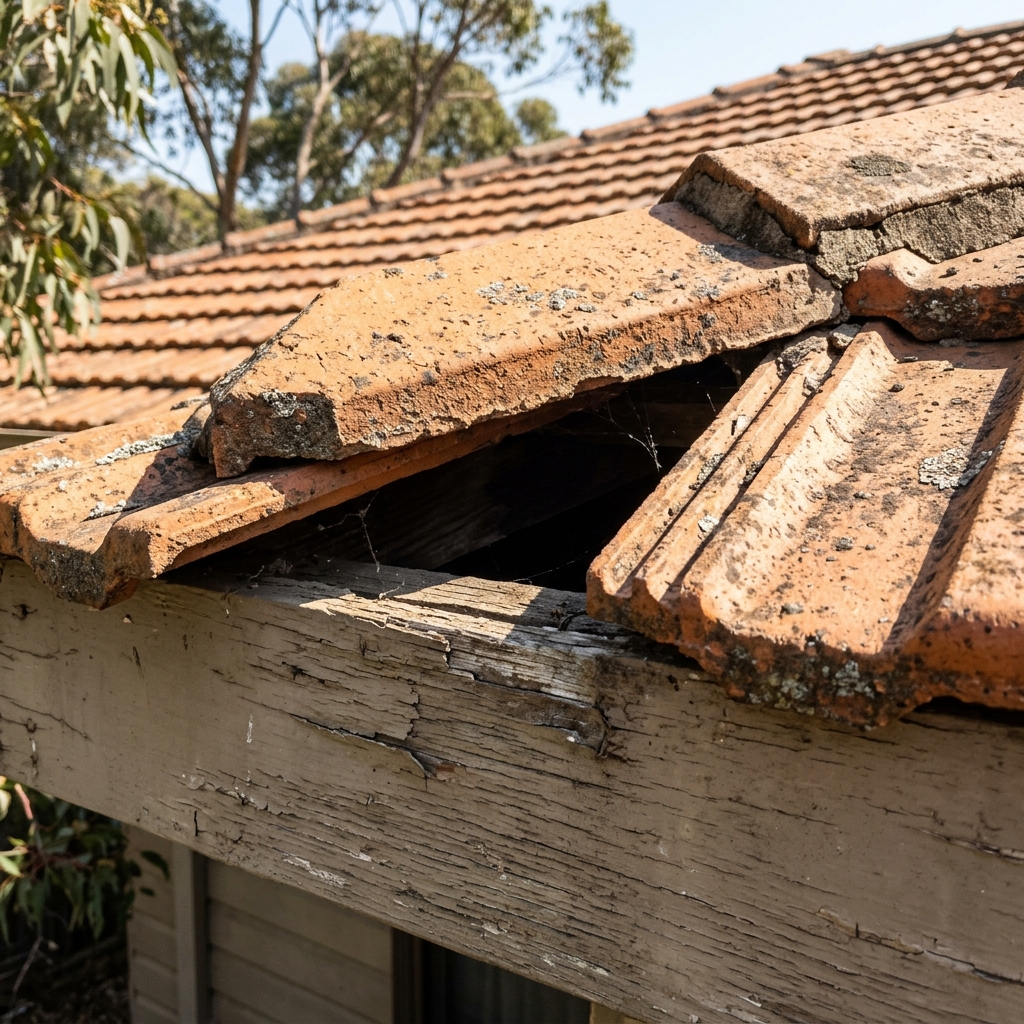
If you suspect a possum but want to confirm it is not rats, the timing and weight of the noise is the giveaway. Rats are active and light-footed throughout the night; a possum is a single heavy animal with a clear dusk-and-dawn rhythm. A professional roof inspection settles the question quickly and, importantly, identifies whether there is a dependent joey involved, which changes how and when removal can lawfully proceed. Chewed electrical cabling is also a risk, which poses a genuine fire hazard.
How to Choose a Professional Possum Removal Company
This is where most of the money and most of the frustration is won or lost. The right company solves the problem permanently; the wrong one collects a call-out fee, evicts the animal, and leaves the open gap that lets the next possum in within a week.
A few principles separate a genuine possum removal specialist from a generalist:
- Insist on a current licence: This is non-negotiable. A legitimate operator will state their licensing without being pushed and can tell you which authority issues it in your state.
- Look for proofing, not just trapping: Experienced operators will tell you plainly that possum removal is mostly building work, not animal handling. The trapping or one-way-door eviction is the small part; sealing every entry point so the territory cannot be re-occupied is the part that actually fixes the problem. If a quote is only for removal with no inspection or proofing, it is not a solution.
- Choose humane methods: A reputable possum catcher uses humane relocation within legal limits, one-way exclusion doors, and non-lethal exclusion. Anyone offering to "get rid of" possums permanently by killing or dumping them far away is breaking the law and putting you at risk too.
- Check experience with your roof type: A technician who regularly works on Sydney terracotta-tile heritage roofs or modern Colorbond construction will spot entry points faster and seal them with the right materials (sheet-metal saddles, stainless mesh, tile-compatible sealants) rather than a temporary patch.
- Read independent reviews and ask for a warranty: Established companies offer a workmanship warranty on their proofing, often 12 to 24 months, because they are confident the seal will hold. A warranty is a strong signal of genuine expertise.
When you search "best possum removal services near me" or "find licensed possum removal services near me," weigh these factors over the cheapest headline price. The lowest quote is frequently the most expensive once the possum returns.
Why Licensing and Compliance Matter
Possums are protected native wildlife across Australia, and the legal framework is strict. Handling them without authorisation is a genuine offence, not a technicality.
New South Wales Rules
All possum species are protected under the Biodiversity Conservation Act 2016, administered by the Department of Climate Change, Energy, the Environment and Water (DCCEEW). Possums may only be trapped using approved cage traps, must be released within 150 metres of the capture site, must be released within 24 hours of capture, and cannot be relocated to a different area, park, or bushland. It is illegal to keep one as a pet. Capturing a protected animal without a licence is itself considered harm under the Act.
The common thread nationally is that relocating a possum any meaningful distance from where it was caught is both illegal and effectively a death sentence for the animal. A possum dropped into strange territory cannot find food, water, or shelter and is usually driven off or killed by resident possums. This is why the law ties removal so tightly to release-on-site, and why exclusion (sealing the roof so the possum dens elsewhere on its own range) is the method professionals favour. Penalties for illegal relocation or harm can run to tens of thousands of dollars.
A licensed possum removal specialist protects you on every front: the work is lawful, the animal is treated humanely, and you are shielded from liability if something goes wrong. If you engage an unlicensed operator and they breach the regulations, you can be exposed to the consequences too.
Quick answer: In Australia, only a licensed wildlife controller can legally remove a possum from your roof. The possum must be released close to where it was caught (within 150 metres in NSW), not relocated to bushland. DIY removal without a permit is illegal.
Questions to Ask Before Hiring a Possum Removal Service
A short, direct set of questions will tell you almost everything about whether a company knows what it is doing:
- Are you licensed to handle possums in this state, and which authority issues your licence? (in NSW, this is the DCCEEW.) A professional answers instantly.
- Does your service include a full roof inspection to find every entry point? Eviction without finding all access points is wasted money.
- What proofing do you carry out, and what materials do you use? Look for sheet metal, stainless mesh, and tile-compatible sealing, not foam or temporary patches.
- How do you check for dependent young (joeys) before removal? Removing a mother and leaving an orphaned joey trapped in the roof is both inhumane and a common, avoidable disaster.
- What is your relocation or exclusion method, and is it within the legal release distance?
- Do you offer a warranty on your proofing work, and for how long?
- Is the quote fixed after inspection, or are there likely extras? Get the inclusions in writing.
- Do you handle dead animal retrieval and odour cleanup if needed?
If a company is vague about licensing, dismissive about proofing, or unwilling to inspect before quoting, keep looking.
The Possum Removal Process Explained
A proper roof possum removal follows a clear sequence. Understanding it helps you judge whether the service you are paying for is complete.
Inspection and Diagnosis
The technician inspects the roof exterior, eaves, vents, ridge capping, and the roof cavity itself, following droppings, rub marks, and daylight gaps to map every entry and exit point. They confirm the species and check carefully for dependent young, because removing a mother during breeding season without accounting for a joey is illegal and inhumane.
Humane Eviction or Capture
The most common and least stressful method is a one-way exclusion door fitted over the main entry point, which lets the possum leave to forage at night but prevents it climbing back in. Where trapping is required, an approved cage trap is used and the animal is handled under licence. No chemicals and no lethal measures are used.
Lawful Release
If trapped, the possum is released on the property or within the legal distance (within 150 metres in NSW), after sunset, against a structure or tree it can immediately climb. This keeps it inside its known territory and gives it the best chance of survival.
Proofing and Repairs
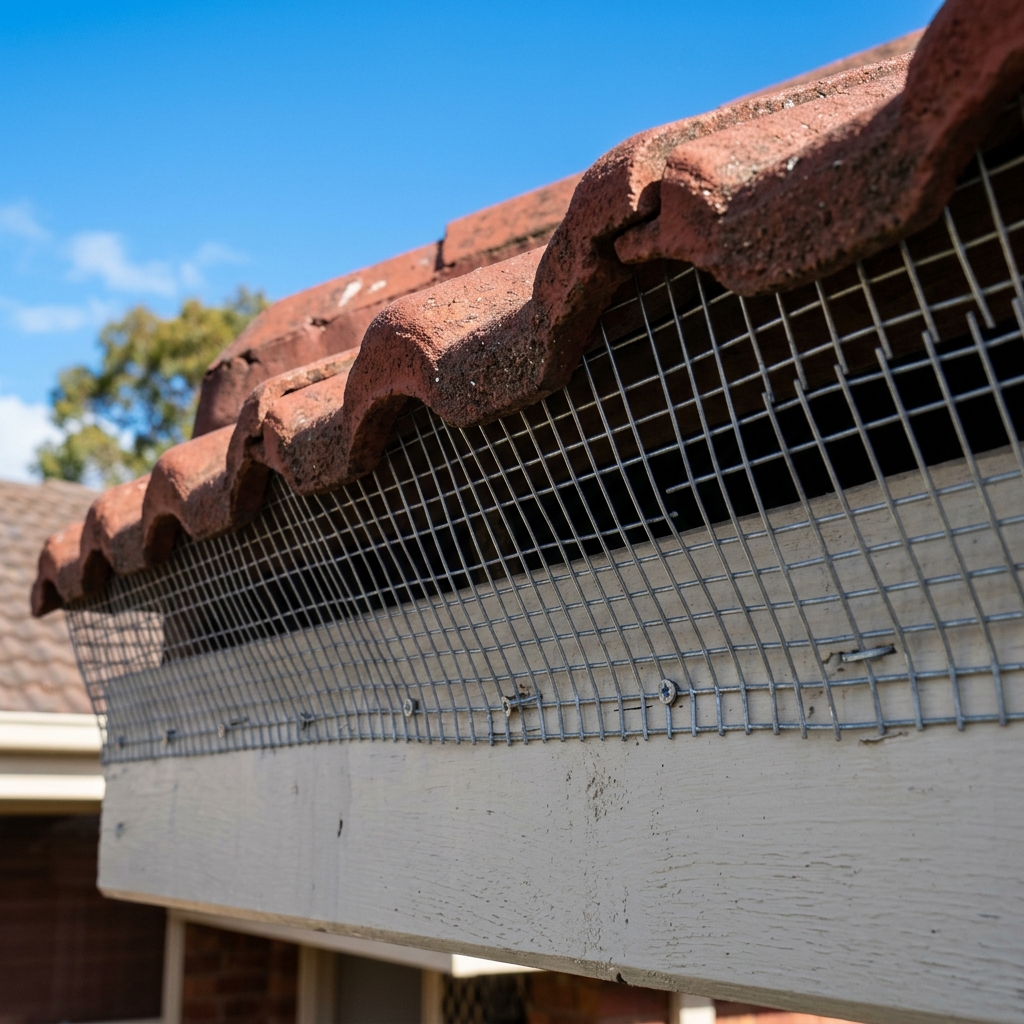
Once the cavity is confirmed empty, every entry point is permanently sealed: broken tiles replaced, lifted sheeting secured, vents meshed, fascia and eave gaps closed with durable materials. This is the step that prevents re-entry, by this possum or the next one drawn to the vacant territory.
Clean-up and Prevention Advice
Soiled insulation may be removed, the cavity deodorised, and the technician advises on trimming overhanging branches and removing food attractants to keep the property unappealing long term.
Most jobs are completed in one or two visits. Larger infestations, difficult access, or extensive repairs can take longer.
Book a Professional Roof Inspection
Confirm if you have possums or rodents, locate every single entry point, and check for dependent joeys. Speak to our licensed technicians for a fixed quote.
How Much Does Possum Removal Cost in Sydney?
Costs vary by property, but published Australian ranges give a reliable picture. A straightforward single-possum removal with basic proofing typically falls in the $250 to $500 range. More involved jobs, multi-level homes, steep or difficult roof access, multiple possums, or significant repairs, commonly run $400 to $600 or more.
The key thing to understand is that the trapping itself is the cheap part. As experienced operators put it, possum removal is roughly 90 percent building work and 10 percent animal handling. What you are really paying for is the inspection and the proofing that stops the problem recurring.
Typical cost components:
- Inspection and assessment: Often $100 to $200, sometimes included free in the overall quote.
- Removal or eviction: The licensed handling and one-way-door or trapping work.
- Proofing and repairs: The largest variable, driven by how many entry points there are and the roof type and height.
- Extras: Emergency or after-hours call-outs attract a surcharge; dead animal retrieval, insulation replacement, and odour treatment are priced separately.
In Sydney, the prevalence of older tiled and heritage roofs with multiple weak points, plus two-storey terraces and homes on steep blocks, tends to push proofing costs up because access is harder and there are more gaps to seal.
A few practical cost tips: always get a fixed quote after a physical inspection rather than a phone estimate, ask whether proofing and a warranty are included, and check whether your home insurance or strata policy covers any of the work, as some do. Bundling removal with proofing in one job is almost always cheaper than paying twice when the possum returns.
Possum Proofing and Long-Term Prevention
Removal without proofing is a temporary fix. Because possums are territorial and mark their range with scent, a roof that has housed one possum will attract the next as soon as the first is gone. Proofing is what makes the result permanent. If you live in Newtown, check out our dedicated possum removal Newtown service page. For other Inner West areas like Balmain, see our guide on possum removal in the Inner West for localized roof structure proofing recommendations. If you are dealing with possum activity in Dural, Galston, or Kenthurst, read our dedicated resource on possum removal in Dural for custom semi-rural and acreage exclusion tips.
Effective possum proofing combines sealing the roof and removing the incentives to come back:
Common Possum Removal Mistakes to Avoid
Most homeowner errors come from treating a possum like a pest rather than a protected animal, and from underestimating the proofing.
- Trapping or relocating the possum yourself: Illegal without a licence, and relocating it far away breaches wildlife law and almost always kills the animal. The penalties are severe.
- Sealing the roof before the possum has left: This traps the animal inside, where it dies in the cavity, leaving you with a far worse smell, a difficult retrieval job, and an animal-welfare offence. Always confirm the cavity is empty first.
- Removing a mother during breeding season without checking for a joey: An orphaned joey left in the roof is both inhumane and an avoidable tragedy that a professional inspection prevents.
- Using poison or baits: Not only illegal for possums but ineffective and dangerous to pets and other wildlife.
- Paying only for eviction and skipping proofing: The most expensive false economy in this whole field, because the territory simply gets re-occupied.
- Hiring on price alone: The cheapest unlicensed operator can cost you a re-infestation, a fine, and the original fee all over again.
- Assuming repellents and ultrasonic devices solve it: Light and certain scent deterrents can sometimes encourage a possum to move on, but they do not seal a roof. Physical exclusion is the only reliable long-term answer.
Related Services & Info
Learn more about our pest management and wildlife proofing services in Sydney:
Frequently Asked Questions
Is it legal to remove a possum from my roof in Australia?
Yes, but only when done correctly. Possums are a protected native species, so removal must be carried out humanely by a licensed wildlife controller. The possum must be released close to where it was caught, within 150 metres in NSW, not relocated to distant bushland. DIY trapping or relocation without a permit is illegal and can attract heavy fines.
Why can't I just relocate the possum to the bush?
Possums are highly territorial and survive poorly outside their home range. A possum dumped in unfamiliar territory usually cannot find food or shelter and is driven off or killed by resident possums. This is why the law requires release on or very near the capture site, and why professionals favour sealing the roof so the possum dens elsewhere on its own range.
How do I know if it's a possum or a rat in my roof?
Possums make heavy thumping and walking sounds, usually concentrated around dusk and dawn as they leave and return. Rats produce lighter, faster scurrying throughout the night. Possum droppings are also noticeably larger. A professional roof inspection confirms which animal you are dealing with.
How much does possum removal cost in Sydney?
A straightforward single-possum removal with basic proofing typically costs $250 to $500, while complex jobs with multiple entry points or repairs can reach $400 to $600 or more. Most of the cost is the proofing and repair work, not the animal handling itself. Always get a fixed quote after an on-site inspection.
Will the possum come back after it's removed?
If the roof is properly proofed, no, the same possum cannot return and the territory is sealed against new ones. If the entry points are not sealed, another possum will almost certainly move in, because the vacant territory remains attractive. This is why proofing is the essential part of any lasting solution.
How long does possum removal take?
Most removals are completed in one or two visits. Larger infestations, difficult roof access, or extensive repairs can take longer.
What happens if there's a baby possum in the roof?
A licensed technician checks for dependent young before removal. Removing a mother and leaving a joey trapped is both inhumane and unlawful, so the process is timed and managed to keep mother and joey together and remove them safely.
Do you offer emergency possum removal?
Yes. Emergency and after-hours possum removal is available for urgent situations such as a possum causing significant noise, damaging wiring, or creating a hazard, though after-hours call-outs usually carry a surcharge.
Do you service my suburb?
Licensed possum removal is available throughout the Sydney metropolitan areas and surrounding suburbs, covering residential and commercial properties.
Conclusion and Next Steps
A possum in the roof is a problem with a clear, lawful solution, but only when it is handled the right way. The animal is protected, which means the work has to be done by a licensed specialist using humane methods and legal release distances. And because possums return to the same territory night after night, the job is only finished when every entry point is sealed. Removal without proofing is not a fix; it is a deferral.
If you are hearing thumping above the ceiling, the practical next step is a professional roof inspection. It confirms the species, finds every gap, checks for dependent young, and produces a fixed quote that includes the proofing that actually keeps possums out. Choose a company that is properly licensed, transparent about its methods, experienced with your roof type, and confident enough to back its proofing with a warranty.
Licensed, humane possum removal and proofing is available across the Sydney metropolitan areas and surrounding suburbs, for both residential and commercial properties. Book an inspection, get the entry points sealed, and you solve the problem once rather than paying for it twice.