Key Takeaways
- Bed bugs are small, reddish-brown insects about the size of an apple seed that feed on human blood at night and hide near where you sleep.
- Sydney has the common bed bug, Cimex lectularius, and the tropical bed bug, Cimex hemipterus, which has become more common in Australia.
- Many Sydney bed bug populations are resistant to common insecticides, so supermarket sprays often fail.
- Most homes need two to three professional treatments two weeks apart to kill bugs and the eggs that hatch later.
- Heat treatment and chemical treatment both work. The right choice depends on the property, budget, and how widespread the bugs are.
- Acting early is cheaper and faster. A single room caught quickly costs far less than an infestation that has spread through the house.
Why Bed Bugs Need Professional Help In Sydney
If you have woken up with itchy bites in a line across your arm, or spotted tiny dark specks on your mattress seam, there is a good chance you have bed bugs. It is one of the most stressful pest problems a household can face, and the worst thing you can do is panic and grab a can of spray from the supermarket.
Bed bugs are hard to kill, they breed fast, and the ones living in Sydney are often resistant to chemicals available off the shelf. Getting on top of them takes a proper inspection, the right treatment for your property, and follow-up to deal with eggs that hatch after the first visit.
This guide explains how to confirm you actually have bed bugs, where they hide, how professional treatment works in Sydney homes and apartments, what it costs, and how to keep them gone for good.
What Are Bed Bugs?
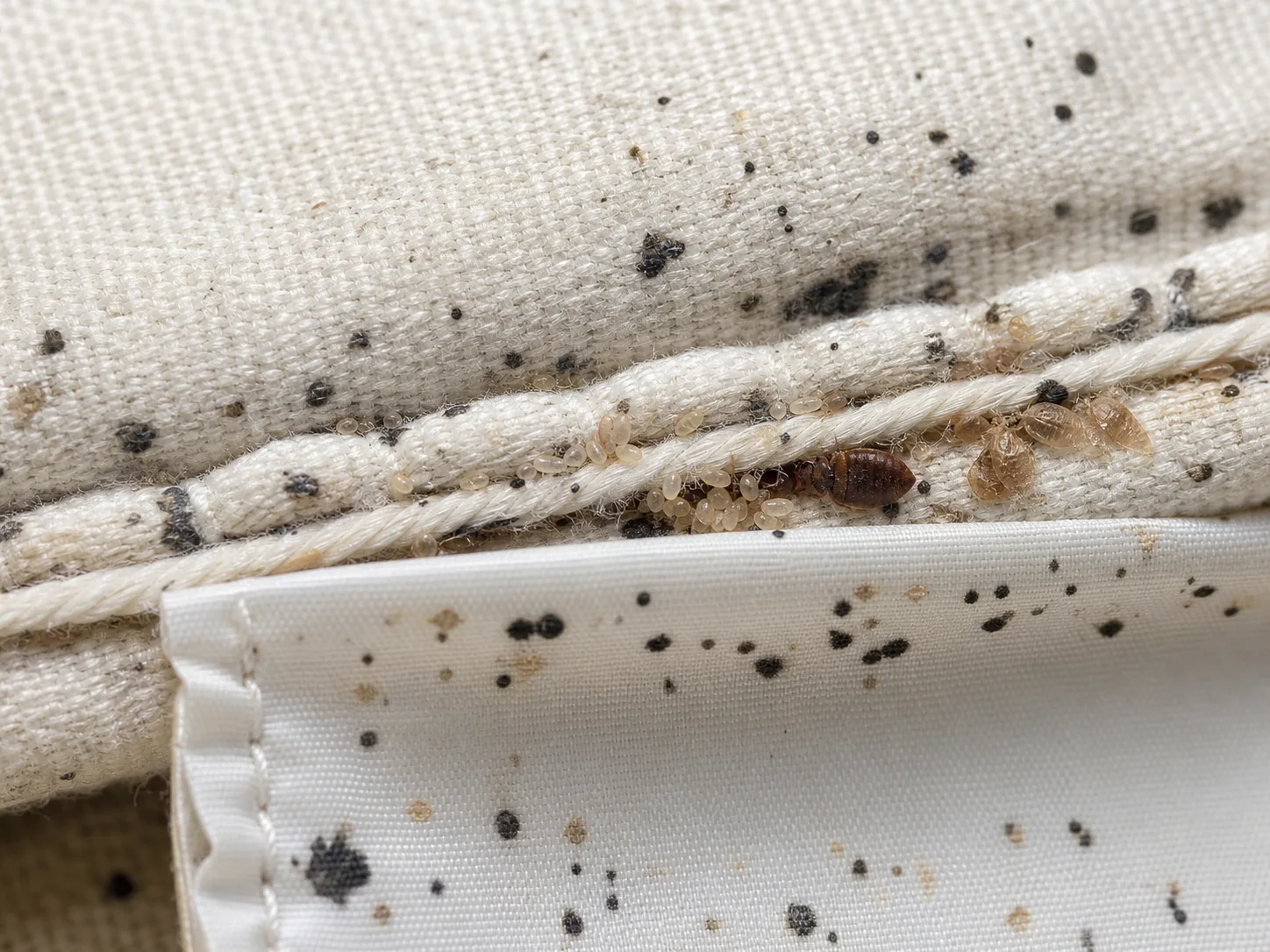
Bed bugs are small, wingless insects that live on the blood of humans and other warm-blooded animals. An adult is flat, oval, and rust brown, roughly 4 to 5 mm long. People often compare the size and shape to an apple seed. After a feed they swell up and turn a darker red.
There are two species that bite people in Australia. The common bed bug, Cimex lectularius, is best suited to cooler, temperate areas and is the one mostly seen across Sydney and the southern states. The tropical bed bug, Cimex hemipterus, prefers warmth and humidity and is turning up more often in Australian homes.
Bed bugs cannot fly or jump. They crawl, and they are fast. Adults can survive for months without a blood meal at normal room temperature, and even longer in cooler conditions. A single female can lay hundreds of eggs over her life, and the tiny cream-coloured eggs are laid in cracks and crevices. This egg timing is why one treatment is rarely enough.
How To Identify Bed Bugs
People often confuse bed bug bites with flea bites, mosquito bites, or a skin allergy. Before you spend money on treatment, it helps to know what you are dealing with.
What An Adult Bed Bug Looks Like
- Flat, broad oval body.
- Rust brown colour, deeper red after feeding.
- Around 4 to 5 mm long.
- Six legs, two antennae, and no wings.
What The Young Nymphs Look Like
- Much smaller and paler, almost see-through when unfed.
- Easy to miss against light bedding.
- Darker and larger as they grow through five stages.
What Bed Bug Bites Look Like
Bites often appear as small, itchy, red bumps, sometimes in a line or loose cluster. They tend to show up on skin exposed while you sleep, such as arms, shoulders, neck and legs. Not everyone reacts the same way, so bites alone are not proof.
Signs Of A Bed Bug Infestation
Bed bugs hide during the day and come out at night when carbon dioxide from your breathing and your body heat draw them in. Most people do not see a live bug at first. They notice the clues instead.
- Bites that are itchy, often in a row or cluster, that you wake up with.
- Blood spots on sheets or pillowcases, usually small smears from a squashed bug.
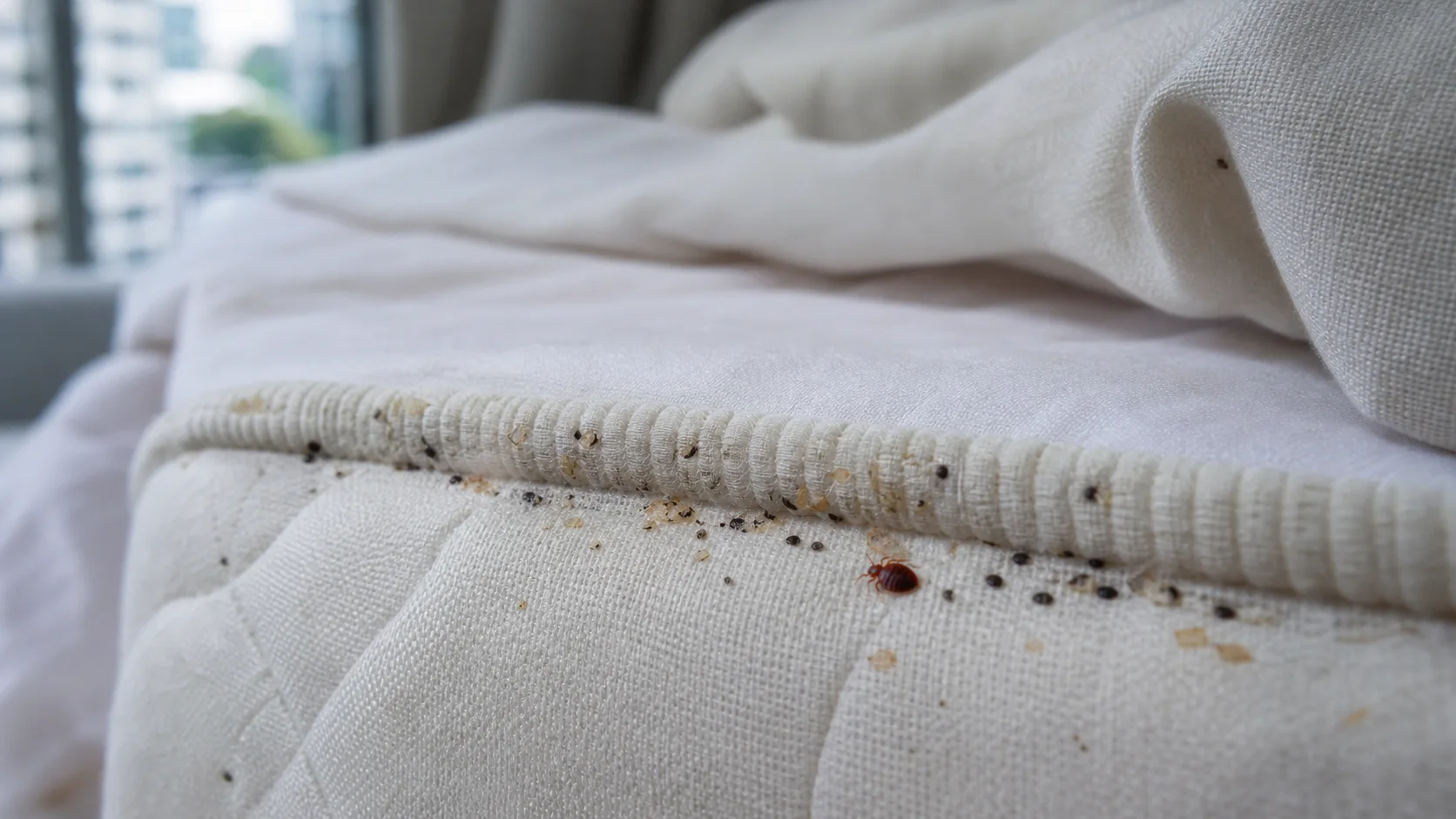
- Dark spotting on mattress seams, bed frames and skirting boards. It looks like someone touched a felt-tip pen to the fabric.
- Shed skins and eggshells in seams, folds and cracks.
- A sweet, musty smell in heavy infestations.
- Live bugs tucked into mattress seams, bed slats or behind the headboard.
Early on, the bugs stick close to the bed. As numbers grow they spread into bedside tables, skirting boards, cracked plaster, picture frames and nearby furniture. The wider they spread, the bigger the job.
Why Bed Bugs Are Common In Sydney
Bed bugs are not a sign of a dirty home. A spotless five-star hotel room and a cluttered share house are both fair game. What bed bugs need is people, warmth and somewhere to hide. Sydney offers plenty of all three.
- International travel: Sydney is a major arrival point, and bed bugs hitchhike on luggage, clothing and second-hand goods.
- Dense apartment living: In units and strata buildings, bugs can move between rooms or neighbouring units through wall cavities and service voids.
- Share houses and student housing: High turnover and shared furniture create easy movement between rooms.
- A busy second-hand market: Used mattresses, lounges and bed frames are common ways bed bugs enter a new home.
- Insecticide resistance: Resistance to common insecticides has been confirmed in Australian bed bug populations.
Health Risks Associated With Bed Bugs
There is no solid evidence that bed bugs spread disease to humans. They are a nuisance and a health concern, but they are not known to transmit infections the way mosquitoes do.
The real impact is on skin, sleep and wellbeing. Bites commonly cause itching, redness and welts. Scratching can break the skin and lead to secondary infection. A small number of people react more strongly, and severe allergic reactions are possible in people with significant allergies. Knowing something is biting you at night can also cause poor sleep, anxiety and ongoing stress.
If bites become infected, very swollen, or you have signs of a severe allergic reaction, see your doctor. For the infestation itself, the fix is professional treatment, not creams.
Where Bed Bugs Hide
Bed bugs generally stay within a metre or two of where people sleep, then expand outward as numbers grow. A treatment that misses a harbourage simply fails.
- Mattress seams, tufts and labels.
- Bed bases, slats and the underside of the frame.
- Behind and inside headboards.
- Bedside tables and drawer runners.
- Skirting boards and gaps in floorboards.
- Cracks in walls and behind loose wallpaper.
- Behind picture frames and wall hangings.
- Power points and electrical fittings near the bed.
- Lounges, armchairs and upholstered furniture.
- Luggage, bags and piles of clothing on the floor.
How Professional Bed Bug Control Works
Reputable Sydney pest controllers follow a structured process rather than doing a quick spray. A proper program usually includes inspection, preparation, treatment, follow-up and a written report.
Inspection
The technician checks beds, furniture, cracks and crevices to confirm bed bugs, find hiding spots and judge how far the infestation has spread.
Preparation Advice
You receive a checklist, such as washing and drying bedding on high heat, decluttering and clearing access to walls and furniture.
Treatment
Depending on the situation, the technician combines targeted insecticide, dust into cracks and voids, and steam on seams and soft furnishings.
Follow-Up
Because eggs can survive the first round and hatch later, a second treatment is usually scheduled around two weeks after the first.
Report And Warranty
You should receive a service report, prevention advice and details of any warranty period.
Bed Bug Treatment Methods
There is no single magic treatment. The best results come from combining methods so you cover every life stage and every hiding spot.
| Method | How It Works | Best For | Notes |
|---|---|---|---|
| Chemical insecticide | Licensed-grade insecticides are applied to harbourages, cracks and surfaces. | Most residential jobs. | Affordable, widely used and usually needs follow-up. |
| Insecticidal dust | Fine dust is placed into wall voids, power points and cracks. | Hard-to-reach voids. | Long-lasting in dry, hidden areas. |
| Heat treatment | Whole rooms are raised to a lethal temperature. | Sensitive homes and stubborn cases. | Chemical-free, kills all life stages and costs more. |
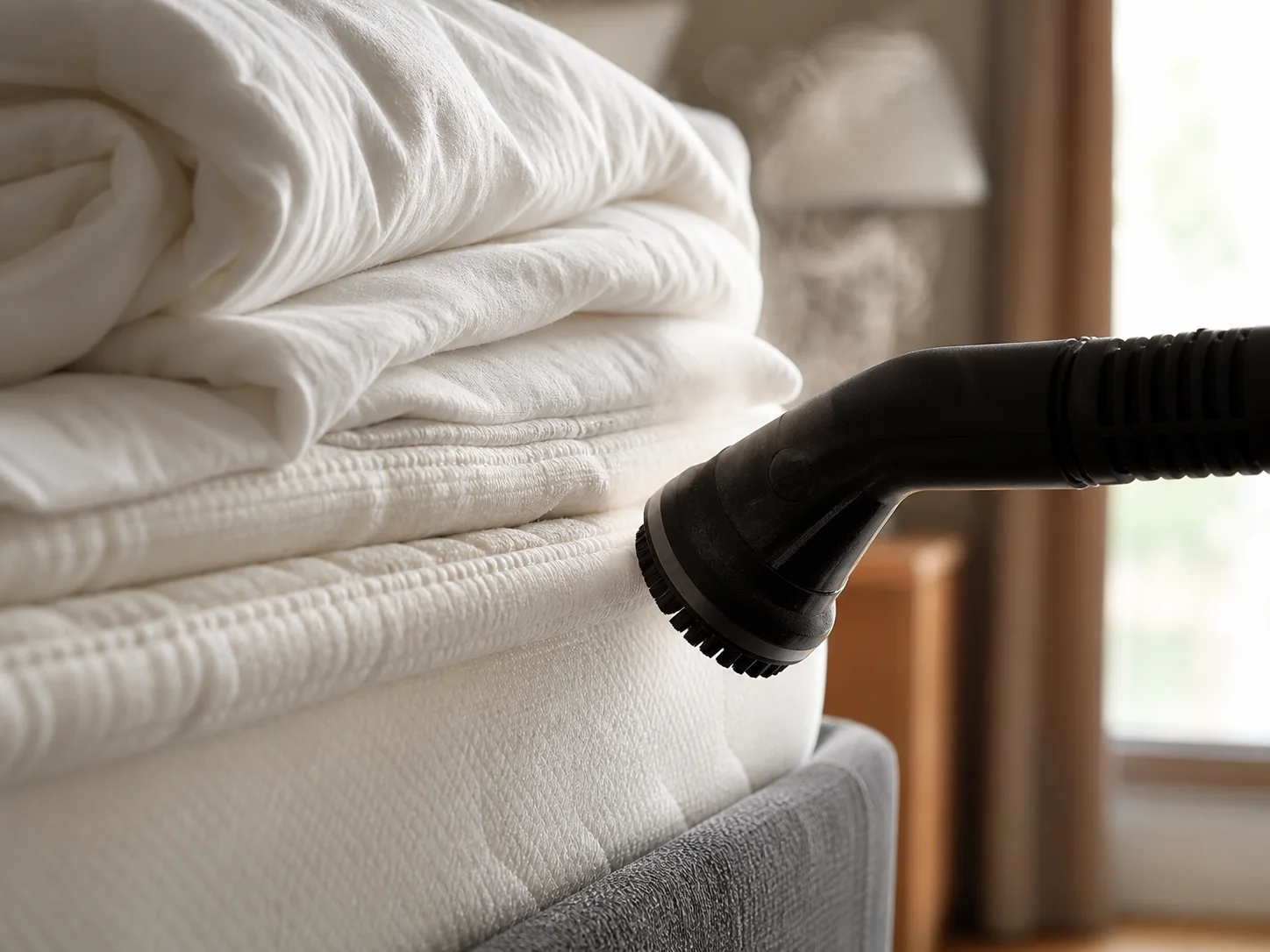
| Steam | High-temperature steam kills on contact. | Mattress seams, lounges and luggage. | Often used alongside other methods. |
| Vacuuming | Physically removes bugs and eggs. | Knocking down numbers before treatment. | A support step, not a standalone fix. |
Heat Treatment Vs Chemical Treatment
Bed bugs cannot survive high heat. They die within about an hour at temperatures over 45 deg C, and almost immediately at 60 deg C and above. Heat treatment uses specialised equipment to raise a room to roughly 50 to 55 deg C and hold it there, which kills bugs and eggs in a single session.
Chemical treatment uses licensed-grade insecticides applied to harbourages, often with dust in voids and steam on soft furnishings. It is the most common and affordable approach, but it usually needs a follow-up because eggs can survive the first application and hatch later.
| Factor | Heat Treatment | Chemical Treatment |
|---|---|---|
| Kills eggs in one go | Yes | Often needs follow-up |
| Chemical-free | Yes | No |
| Number of visits | Often one | Usually two to three |
| Cost | Higher | Lower |
| Good for sensitive homes | Excellent | Good with low-tox products |
There is no universally better option. Heat is fast and chemical-free but costs more. Chemical is affordable and reliable but needs follow-up. A good technician recommends the right mix after seeing the property, severity and who lives there.
How Long Bed Bug Treatment Takes
A single treatment visit for a typical room or two usually takes a few hours, depending on clutter, access and how widespread the bugs are. Heat treatment can run longer because the space has to reach and hold temperature.
Full eradication usually takes two to three weeks across two or three visits, because eggs hatch days after the first treatment. Heat can shorten this since it kills eggs in one session, but most chemical programs are built around the follow-up window.
Can Bed Bugs Return?
Yes. A bed bug treatment kills the bugs that are there. It cannot stop a new bug arriving tomorrow on a suitcase, borrowed jacket or second-hand chair. Return activity usually means the original infestation was never fully cleared, or a fresh infestation was brought in later.
How To Prevent Future Infestations
At Home
- Inspect second-hand mattresses, bed frames and lounges before bringing them inside.
- Reduce clutter around beds so there are fewer hiding spots.
- Use a quality mattress and box-spring encasement to make seams easy to inspect.
- Vacuum bedrooms regularly, including mattress seams and skirting boards.
- Check beds in share houses and rentals when you move in.
When You Travel
- Keep luggage off the floor and bed. Use the luggage rack or bathroom.
- Check mattress seams and the headboard of hotel and hostel beds for spotting.
- On returning home, wash travel clothes on a hot wash and dry on high heat.
If You Suspect Bugs
- Do not move furniture, bedding or luggage to other rooms.
- Avoid blasting the room with DIY spray, which can scatter bugs into new areas.
- Call a licensed professional for an inspection.
When To Call A Professional
Bed bugs generally do not suit DIY control because of local insecticide resistance and how well they hide. Call a licensed pest technician if you have confirmed live bugs, spotting or shed skins, are waking with unexplained bites, have tried DIY without success, live in an apartment or share house, or run accommodation such as a hotel, motel, hostel or short-stay rental.
Cost Of Bed Bug Control In Sydney
Bed bug pricing varies more than most pests because every property is different. The size of your home, how far the bugs have spread, the treatment method, clutter and access all push the price up or down. These figures are general 2026 Sydney guidance, not a quote.
| Scenario | Typical Sydney Range |
|---|---|
| Single room, chemical treatment | $150 to $450 |
| Realistic per-visit cost for many homes | $350 to $900 |
| Whole-home heat treatment | $800 to $1,500+ |
| Severe or multi-room infestation | $1,500 to $5,000 |
- Cheapest is not always cheapest: A quick spray with no follow-up can cost more if the bugs return.
- Look at the whole program: Compare quotes on what is included, not just the first-visit price.
- Get it in writing: A transparent quote should spell out inspection, treatment, follow-up and warranty.
Common Mistakes Sydney Homeowners Make
- Reaching for the supermarket spray first. Off-the-shelf products often fail against resistant Sydney bed bugs and can scatter them.
- Throwing out the mattress straight away. Moving an infested mattress through the house spreads bugs and eggs.
- Moving to the spare room or couch. Bed bugs follow carbon dioxide and can spread to the new sleeping area.
- Skipping the follow-up visit. Eggs hatch after the first treatment, so missing the second visit lets the cycle restart.
- Poor preparation. Not washing bedding, decluttering or clearing access makes treatment less effective.
- Waiting it out. Bed bugs keep feeding and breeding until treated.
Sydney-Specific Considerations
In apartments and strata buildings, bed bugs can move between rooms and sometimes between neighbouring apartments. If you are in strata, let building management know, because treating one unit while an adjoining one stays infested rarely solves the problem long term.
Share houses and student housing are easy targets because of high turnover and shared furniture. Short-stay accommodation carries reputational risk, so staff should recognise spotting, shed skins and guest bite reports. Sydney mostly deals with the common bed bug, but tropical bed bugs have been spreading further south, so accurate identification matters.
A Real-World Sydney Case Example
A two-bedroom inner west apartment called after the tenant woke with itchy bites in a line across one arm for several mornings. They had already tried supermarket spray on the mattress, which seemed to help for a few days before bites returned worse than before.
On inspection, the technician found live bugs and heavy spotting along the mattress seams, plus shed skins behind the headboard and a small harbourage inside a bedside power point. The DIY spray had missed eggs and voids, and pushed some bugs into the second bedroom.
The plan combined steam on mattress seams and the bed base, insecticidal dust into the power point and wall voids, and targeted insecticide around the room and skirting boards. A follow-up two weeks later caught newly hatched nymphs from surviving eggs. By the second follow-up, bites had stopped and no live bugs were found.
This example is a composite based on common Sydney scenarios and is provided for illustration.
Expert Recommendations
- Confirm before you treat. Catch a bug, check for spotting and get a professional identification rather than guessing from bites alone.
- Do not DIY a real infestation. Professional treatment is faster, cheaper overall and more likely to work.
- Treat the whole program. Plan for follow-up so you break the egg cycle.
- Prepare properly. Wash and hot-dry bedding, declutter and clear access before the technician arrives.
- Act early. A small, contained problem is cheap and quick. A spread-out one is neither.
- Choose a licensed, transparent provider who works to the Australian bed bug best-practice code and gives a written quote and warranty.
Frequently Asked Questions
How do I know if I have bed bugs?
Look for itchy bites in a line or cluster, small blood spots on sheets, dark spotting on mattress seams and bed frames, shed skins, and a musty smell in heavier cases. Confirm by catching a bug on clear tape and having it identified.
Can I get rid of bed bugs myself?
For all but the smallest, earliest cases, DIY usually fails. Sydney bed bugs are often resistant to supermarket sprays, and home attempts tend to miss eggs and hidden harbourages.
What is the best treatment for bed bugs?
A combination works best. Most Sydney homes are treated with targeted insecticide, dust in voids and steam on soft furnishings, with follow-up visits. Heat treatment is excellent when a chemical-free option is preferred or the infestation is severe.
How many treatments will I need?
Most homes need two to three treatments spaced about two weeks apart. This timing is built around bed bug eggs hatching after the first visit.
How much does bed bug control cost in Sydney?
As a general 2026 guide, single-room chemical treatment runs about $150 to $450, while whole-home heat treatment can be $800 to $1,500 or more. Severe multi-room infestations can reach several thousand dollars.
How long does bed bug treatment take to work?
A treatment visit takes a few hours, but full eradication usually takes two to three weeks across the treatment and follow-up visits because eggs hatch after the first round.
Are bed bug treatments safe for children and pets?
Reputable Sydney technicians use products approved for use in homes and follow safety guidelines, and many offer low-tox or heat-based options. Always follow re-entry advice after treatment.
Do bed bugs spread disease?
There is no solid evidence that bed bugs transmit disease to humans. The main concerns are itchy bites, possible allergic reactions, secondary skin infection from scratching, and lost sleep.
Where do bed bugs hide?
Close to where you sleep: mattress seams, bed frames, headboards, bedside tables, skirting boards, cracks in walls, picture frames, power points and nearby upholstered furniture.
Will throwing out my mattress fix the problem?
Usually not, and it can make things worse. Bugs and eggs spread as you move the mattress, and bugs in the frame, skirting boards and furniture stay behind.
How do I prevent bed bugs after travelling?
Keep luggage off the bed and floor, inspect hotel mattress seams, and wash travel clothes on a hot wash and dry on high heat when you return home.
Do bed bugs go away on their own?
No. They keep feeding and breeding until the infestation is treated. Delaying only makes the problem larger and more expensive to fix.
Why You Can Trust This Information
About The Author
This article was prepared by the Super Pest Controler technical team, drawing on hands-on bed bug treatment across Sydney homes, apartments and commercial properties. The work follows the Australian bed bug best-practice code and uses licensed, professional-grade methods suited to local conditions.
Sources And References
- NSW Health Pathology, Department of Medical Entomology at Westmead Hospital, and AEPMA, Industry Code of Best Practice for Bed Bug Management, 5th edition.
- Australian Environmental Pest Managers Association.
- healthdirect Australia bed bugs health information.
- State public-health guidance on bed bug identification, treatment temperatures and prevention.
- Peer-reviewed research confirming insecticide resistance in Australian bed bug populations.